Navigating Treatment Resistant Depression A Comprehensive Guide

Navigating Treatment-Resistant Depression: A Comprehensive Guide

Depression can come in many forms, including major depression, bipolar disorder, and unipolar depression. Generally, these forms of depression can be treated through pharmacological treatments such as Selective Serotonin Reuptake Inhibitors (SSRI) or other medications, along with psychotherapy. However, in some cases, depressed patients do not respond to these treatments, indicating they are facing Treatment-Resistant Depression (TRD).

TRD is a formidable type of depressive disorder, marked by its significant resistance to conventional therapeutic methods. This condition poses a substantial challenge in the mental health landscape, defying expected responses to standard treatments such as antidepressant medications and psychotherapy.

Treatment Resistant Depression was shown to be a significant issue in a study known as Star*d. STAR*D, which stands for “Sequenced Treatment Alternatives to Relieve Depression,” was a landmark clinical trial that aimed to study the effectiveness of various treatment options for individuals with major depressive disorder who had not responded to initial antidepressant treatment. The study was conducted by the National Institute of Mental Health (NIMH) and involved multiple treatment steps.

The results of the STAR*D study indicated that a significant number of participants did not achieve remission with the initial treatment, highlighting the challenges of treating depression and the need for further research into effective treatment strategies.

At Altura Medical Associates, we know that despite the numerous therapeutic options available, the unique nature of TRD requires a meticulous, nuanced, and all-encompassing approach that recognizes and addresses the intricate factors contributing to resistance.

Therefore, in this blog, we will look closely at the landscape of TRD and its challenges. We will explore how to recognize TRD, advanced treatment options, how to deal with stigma, and the role of lifestyle and support.

By exploring these topics, we’ll delve into the intricacies of treatment-resistant depression and the comprehensive treatment approach that can bring relief. The goal is to guide you and your support networks toward a hopeful and resilient journey to recovery.

Identifying Treatment Resistance in Depression: When Standard Therapies Fall Short

Recognizing treatment resistance is crucial for tailoring interventions to effectively address the challenges posed by depression. Understanding the nuanced signs of resistance is essential for both clinicians and clients. Here are key indicators that signal the ineffectiveness of standard treatments:

Persistent Symptoms: Despite conscientious attempts with various antidepressant medications or psychotherapies, persistent symptoms endure, resisting the expected alleviation.

Functional Impairment: Depressive episodes exert a sustained impact on daily functioning, affecting work, relationships, and overall quality of life.

Intolerance or Side Effects: Inability to tolerate prescribed medications due to severe side effects or a lack of positive response despite adherence. Intolerance or adverse effects may prohibit certain medication regimens and require alternative medications or treatment methods.

Biological Factors: Identifiable biological factors, such as a genetic predisposition, contribute to the resistance observed in standard treatments. Acknowledging the role of biological factors in mood disorders emphasizes the need for a personalized approach that accounts for the unique genetic and neurobiological markers influencing antidepressant treatment response.

Comorbidities: Comorbidities refer to the simultaneous presence of multiple health conditions, which can add complexity to the overall healthcare and treatment process.

Exploring Advanced Treatment Options

Treatment-resistant depression (TRD) is a significant challenge, demanding a departure from traditional interventions. A 2006 study published in The Journal of Clinical Psychiatry (j clin psychiatry) indicated that “treatments for depression leave a significant minority (20%-40%) of patients with persistent depressive symptoms.” Fortunately, more recent progress in psychiatry and neuroscience has paved the way for innovative and evidence-based effective treatments designed for those who don’t respond to standard therapies. Here, we delve into some advanced options that are becoming available in clinical practice:

Neurostimulation Therapies:

  • Electroconvulsive Therapy (ECT): ECT is a powerful choice for severe TRD. It induces controlled seizures through electrical currents, leading to changes in brain chemistry.
  • Transcranial Magnetic Stimulation (TMS): TMS is a non-invasive procedure that employs magnetic fields to stimulate nerve cells in the brain’s prefrontal cortex. It has shown effectiveness in TRD, providing a targeted and well-tolerated alternative. Repetitive Transcranial Magnetic Stimulation (rTMS) is a specific application of TMS where magnetic pulses are delivered in a repetitive manner over time.

A report in the American Journal of Psychiatry (am j psychiatry) indicates that “a more efficient form of rTMS, known as intermittent theta-burst stimulation (iTBS), recently approved by the FDA, has significantly shortened the duration of rTMS treatment sessions from 37 minutes to 3 minutes and produces equivalent antidepressant responses.”

Ketamine Therapy:

  • Intravenous (IV) Ketamine: Traditionally an anesthetic, Ketamine exhibits rapid and robust antidepressant effects. Administered intravenously under supervision, it proves particularly beneficial for individuals with TRD. A recent report in the Journal of the American Medical Association (JAMA) indicated that Ketamine therapy is comparable to ECT in effectiveness. Ongoing research and clinical trials explore its long-term safety, tolerability, and effectiveness.

Augmentation Strategies:

  • Combining Medications: In TRD cases, augmenting traditional antidepressants with other medications, such as mood stabilizers or atypical antipsychotics, may enhance pharmacotherapy efficacy. For example, the FDA approved Esketamine nasal spray, sold under the brand name Spravato, for use in conjunction with an oral antidepressant for adults with treatment-resistant depression.

Vagus Nerve Stimulation (VNS):

  • VNS involves implanting a device delivering electrical impulses to the vagus nerve, influencing brain regions that regulate mood. It is considered for chronic or recurrent depression resistant to other treatments.

Deep Brain Stimulation (DBS):

  • DBS involves surgically implanting electrodes into specific brain regions, with electrical impulses modulating neural activity. Deep Brain Stimulation has been shown to be a beneficial therapeutic option.

Gene Therapy and Personalized Medicine:

  • Advancements in genetic research may lead to personalized treatment approaches. Understanding an individual’s genetic makeup helps tailor medications and interventions to target specific biological factors contributing to treatment resistance.

It’s crucial to note that these advanced treatments are explored when standard modalities prove ineffective or when depression severity requires more intensive interventions. Ongoing research continually refines these treatments, and individuals considering them for TRD should engage in thorough discussions with mental health professionals and follow up regularly to weigh potential benefits and risk factors based on practice guidelines.

Confronting Stigma: Breaking Down Barriers Around Treatment-Resistant Depression

It’s crucial to take proactive steps to break down TRD stigma and create an environment of compassion, understanding, and support. Here are some strategies to accomplish this goal:

Promote Open Dialogues

  • Encouraging Candid Conversations: Start and encourage open discussions about TRD, providing platforms for people to share their experiences without fear of judgment.
  • Public Awareness Campaigns: Use various media channels to highlight the prevalence of TRD, spread accurate information, and dispel myths and misconceptions that fuel stigma.

Education on the Biological Nature:

  • Disseminating Scientific Knowledge: Educate the public about the biological roots of depression, emphasizing that TRD is linked to complex neurobiological factors.
  • Highlighting the Complexity: Illustrate that TRD is not a reflection of a person’s character or efforts, but a result of the intricate interplay of genetic, environmental, and physiological factors.

Avoid Blame or Accusations of Personal Failure

  • Empowering Language: Use empowering and non-stigmatizing language when talking about TRD. Shift the narrative away from blame or failure, focusing on resilience and courage in the face of a challenging mental health condition.
  • Personal Testimonials: Share personal stories from individuals who have faced TRD, highlighting their journeys and emphasizing their perseverance.

Supportive Community Initiatives:

  • Peer Support Groups: Join or establish peer support groups tailored for people dealing with TRD.
  • Collaboration with Advocacy Organizations: Collaborative initiatives can leverage collective resources, expertise, and influence to bring about systemic changes in public perception.

Cultivating Well-being: The Crucial Role of Lifestyle and Social Support in Overcoming Treatment Resistance

There is a long list of things you can do to actively support your treatment regimen and cultivate your well-being. Some of these important lifestyle choices include the following:

Holistic Lifestyle Practices

  • Embracing Regular Exercise
  • Balanced Nutrition
  • Prioritizing Sufficient Sleep

Therapeutic Support

  • Engaging in Cognitive Behavioral Therapy or other modalities as your therapist recommends

Building Robust Social Networks

Fostering Meaningful Connections with family and friends

  • Get Involved in Social and Community Groups
  • Participate in a Support Group

Holistic Self-Care Practices

  • Mindfulness and Meditation
  • Relaxation Techniques
  • Personalized Self-Care: These may include hobbies, artistic expressions, or any other activities that bring joy and relaxation.

Persistence and Hope For Treatment Resistance

Management of treatment-resistant depression is possible, and a crucial factor will be persistence. Recovery is possible when persistence is part of the treatment plan.

At Altura Medical Associates, our mental health experts can help you explore all your therapeutic options and find your unique road to recovery.

While the road to recovery may unfold gradually, with continued commitment, a combination of treatments, and the presence of a supportive environment, you can find hope and a new sense of well-being.

Contact Altura Medical Associates today for an appointment.

Click here for more information on depression therapy.
5 Common Mistakes That May Lower Testosterone in Men

5 Common Mistakes That May Lower Testosterone in Men

Many men don’t realize how much their everyday habits can influence their testosterone levels—and how they feel physically, mentally, and emotionally.

Testosterone plays an important role in men’s health. It supports muscle mass and strength, bone health, sexual function, energy, mood, and overall well-being. When testosterone levels are too low, some men may experience fatigue, decreased motivation, low libido, difficulty concentrating, changes in mood, reduced muscle mass, or loss of interest in activities they once enjoyed.

While low testosterone can have medical causes that require evaluation and treatment, certain lifestyle factors may also contribute.

Here are five common habits that may negatively affect testosterone levels—and what you can do about them.

Mistake 1: Living With Chronic Stress

Stress affects much more than your mood. When you are under stress, your body releases cortisol, a hormone involved in the body’s natural stress response.

Short-term increases in cortisol are normal and necessary. However, chronic stress and prolonged activation of the stress response can affect sleep, metabolism, weight, mental health, and hormonal function.

Work pressure, financial concerns, relationship difficulties, caregiving responsibilities, and other ongoing stressors can take a significant toll on both physical and emotional health.

Learning healthier ways to manage stress may support overall health and hormonal well-being.

At Altura Medical Associates, we provide therapy and mental health treatment to help men manage anxiety, chronic stress, depression, trauma, and other concerns that may affect their overall health.

Mistake 2: Poor Nutrition and Excess Weight

Nutrition and metabolic health can have an important relationship with testosterone.

A diet consistently high in highly processed foods, added sugars, and excess calories may contribute to weight gain and metabolic problems. Excess body fat—particularly abdominal fat—is associated with lower testosterone levels in many men.

Fat tissue contains an enzyme called aromatase, which converts some testosterone into estrogen. Men naturally need estrogen too, but increased body fat can alter the normal balance of sex hormones.

Rather than focusing on restrictive diets, aim for a sustainable eating pattern that includes adequate protein, vegetables, fruits, healthy fats, whole grains, and minimally processed foods.

Improving metabolic health and achieving a healthy weight may help improve testosterone levels in some men.

Mistake 3: Drinking Too Much Alcohol

Frequent or heavy alcohol consumption can affect many systems involved in hormonal health.

Alcohol can interfere with normal function of the liver, brain, and reproductive system, all of which play roles in maintaining healthy hormone levels. Chronic heavy alcohol use may also negatively affect testosterone production, sleep quality, weight, mood, and sexual health.

Reducing alcohol intake can therefore benefit much more than testosterone—it can support sleep, mental clarity, metabolic health, liver health, and overall well-being. if the consumption of alcohol is becoming a problem, get help.

Mistake 4: Not Getting Enough Quality Sleep

Sleep is one of the most overlooked components of hormonal health.

Testosterone production is closely connected to healthy sleep patterns. Consistently getting too little sleep—or having disrupted sleep—may contribute to lower testosterone levels.

Most adults should aim for approximately seven to nine hours of quality sleep per night. However, the quality of that sleep matters too.

Conditions such as insomnia and obstructive sleep apnea can interfere with restorative sleep and may contribute to fatigue, mood changes, poor concentration, and hormonal problems.

If you regularly wake up exhausted, snore heavily, wake up gasping, or struggle with persistent insomnia, it is important to discuss these symptoms with a healthcare professional rather than simply trying to “push through” the fatigue.

Mistake 5: Being Too Sedentary—or Not Allowing Your Body to Recover

Regular physical activity is important for overall health and may support healthy testosterone levels.

Strength and resistance training can be particularly beneficial because they help maintain muscle mass, improve metabolic health, and support healthy body composition.

However, more exercise is not always better.

Excessive training without adequate nutrition, sleep, and recovery can place significant stress on the body. A balanced exercise routine should include movement, strength training, cardiovascular activity, adequate nutrition, and recovery days.

The goal isn’t to exercise constantly. The goal is to build a body that is strong, healthy, and able to recover.

What Can You Do to Support Healthy Testosterone Levels?

Start with the foundations of good health.

Prioritize consistent, restorative sleep. Find healthy ways to manage chronic stress. Eat a balanced diet that supports a healthy weight and metabolic health. Limit excessive alcohol consumption. Incorporate regular movement and resistance training while allowing adequate time for recovery.

These changes don’t happen overnight. Small, sustainable improvements are often more valuable than extreme diets, supplements, or exercise programs that are difficult to maintain.

Most importantly, don’t assume that every symptom is caused by low testosterone.

Fatigue, low motivation, poor concentration, decreased libido, sleep problems, and depressed mood can have many possible causes. A proper medical evaluation can help determine what is actually contributing to your symptoms.

When Should You Seek Professional Help?

Lifestyle changes are important, but they aren’t always enough.

Low testosterone can result from aging, obesity, sleep disorders, certain medications, chronic medical conditions, problems involving the testes or pituitary gland, and other underlying causes.

Symptoms can include:

  • Persistent fatigue or decreased energy
  • Reduced sex drive
  • Erectile or sexual difficulties
  • Loss of muscle mass or strength
  • Difficulty concentrating
  • Decreased motivation
  • Changes in mood
  • Increased body fat
  • Reduced sense of well-being

If you are experiencing these symptoms, a comprehensive evaluation is important.

At Altura Medical Associates, our men’s hormone health services include an individualized assessment of your symptoms, medical history, medications, risk factors, and appropriate laboratory testing.

When indicated, we can evaluate whether testosterone replacement therapy may be appropriate.

Testosterone Replacement Therapy and BHRT

Testosterone therapy should never be approached as a one-size-fits-all treatment.

Before starting treatment, patients should receive an appropriate medical evaluation and laboratory testing to confirm testosterone deficiency and identify potential causes. Treatment decisions should also consider medical history, symptoms, fertility goals, cardiovascular and prostate health, sleep apnea risk, and other individual factors.

We offer Bioidentical Hormone Replacement Therapy (BHRT) when clinically appropriate. The term bioidentical refers to hormones that are chemically identical to hormones produced by the human body.

Testosterone therapy is not appropriate for every man and requires ongoing medical monitoring.

The Connection Between Testosterone and Mental Health

Hormonal health and mental health can overlap.

Low testosterone may be associated with symptoms such as fatigue, decreased motivation, difficulty concentrating, irritability, and depressed mood. At the same time, depression, anxiety, chronic stress, poor sleep, medications, and other medical conditions can produce many of the same symptoms.

That is why we believe in looking at the whole person rather than treating a laboratory number alone.

At Altura Medical Associates, our services include mental health treatment as well as men’s hormone health evaluation. We provide therapy and medication management for conditions including depression, anxiety, trauma, and chronic stress while considering the physical factors that may also be affecting how you feel.

Final Thoughts

Your testosterone level is only one piece of your overall health.

Sleep, nutrition, body composition, stress, physical activity, alcohol use, medications, mental health, and underlying medical conditions can all influence how you feel.

If you have persistent fatigue, low libido, decreased motivation, mood changes, or other symptoms of low testosterone, don’t simply assume that getting older is the answer.

Get evaluated. Understand the cause. Then decide on treatment.

At Altura Medical Associates, our goal is to help patients understand the connection between physical health, hormonal health, and mental well-being—and develop an individualized treatment plan designed around the whole person.

Contact Altura Medical Associates to learn more about our men’s hormone health and mental health services.

Medical Disclaimer: This article is for educational purposes only and is not intended to diagnose or treat any medical condition. Symptoms of low testosterone can overlap with many other medical and psychiatric conditions. Testosterone replacement therapy requires appropriate medical evaluation, laboratory confirmation, individualized risk assessment, and ongoing monitoring by a qualified healthcare professional.

Frequently Asked Questions

Should I take testosterone or a “testosterone booster”?

Do not start testosterone or over-the-counter testosterone-boosting supplements simply because you feel tired or believe your testosterone may be low. Symptoms should be evaluated and testosterone deficiency should be confirmed with appropriate laboratory testing. Many supplements marketed as testosterone boosters also have limited evidence of effectiveness.

Can anxiety and poor sleep affect testosterone?

Potentially. Chronic stress and inadequate or disrupted sleep can affect multiple hormonal and metabolic processes. Anxiety can also make it difficult to fall asleep or stay asleep, creating a cycle of stress, fatigue, and poor functioning.

Altura Medical Associates provides therapy and medication management for anxiety, depression, stress, and sleep-related concerns when appropriate.

How do I know if my testosterone is actually low?

Symptoms alone cannot diagnose low testosterone. Diagnosis generally requires symptoms consistent with testosterone deficiency along with appropriately obtained blood testing showing consistently low testosterone levels. Your healthcare provider may recommend additional laboratory testing depending on the results and your medical history.

Does low testosterone always require testosterone replacement therapy?

No. Treatment depends on the cause, symptoms, laboratory findings, medical history, and individual goals. In some men, addressing weight, sleep apnea, medications, metabolic health, alcohol use, or other contributing factors may be an important part of treatment. Other men may be appropriate candidates for testosterone replacement therapy.

Can low testosterone cause depression?

Low testosterone may contribute to symptoms such as low mood, fatigue, decreased motivation, and difficulty concentrating in some men. However, these symptoms can also occur with depression, anxiety, sleep disorders, thyroid conditions, medication effects, and other medical problems. A comprehensive evaluation is important before assuming testosterone is the cause.

Warning Signs of Substance Use in Your Home

Warning Signs of Substance Use in Your Home

When someone you love begins acting differently, it can be difficult to know what is happening.

Maybe your teenager has become unusually withdrawn. Perhaps your partner’s mood has changed, money is disappearing, or someone who was once reliable is suddenly missing work, school, or family responsibilities.

Your first thought may be: Could drugs or alcohol be involved?

That possibility can bring fear, anger, confusion, and even guilt. But recognizing potential warning signs early can help you respond thoughtfully and connect your loved one with appropriate support.

At Altura Medical Associates, we encourage families to look for patterns of change rather than one isolated behavior. No single sign proves that someone has a substance use disorder, and many of these symptoms can occur with depression, anxiety, trauma, medical conditions, or other mental health concerns.

The important thing is to pay attention when several changes begin happening together.

Changes in Behavior

One of the first things families often notice is that the person simply doesn’t seem like themselves.

You may notice changes such as:

  • Becoming increasingly withdrawn from family
  • Spending significantly more time alone
  • Increased secrecy about activities or whereabouts
  • Sudden irritability, anger, or mood changes
  • Losing interest in hobbies or activities they previously enjoyed
  • Changing friend groups unexpectedly
  • Frequently asking for money without a clear explanation
  • Becoming defensive when asked simple questions
  • Breaking household rules or responsibilities that were previously important to them
  • Changes in motivation or reliability

Again, these behaviors do not automatically mean someone is using drugs or alcohol.

But when several changes appear together—particularly when they represent a significant difference from the person’s usual behavior—it may be worth exploring what is happening.

Physical Signs That May Be Associated With Substance Use

Different substances affect the body in different ways, so there is no single physical appearance that identifies substance use.

Possible changes may include:

  • Significant changes in sleep patterns
  • Sleeping much more or much less than usual
  • Unexplained weight loss or weight gain
  • Bloodshot or unusually glassy eyes
  • Changes in pupil size
  • Slurred speech
  • Unusual coordination or balance problems
  • Tremors or shaking
  • Excessive sweating
  • Frequent nosebleeds or runny nose
  • Changes in appetite
  • Decline in grooming or personal hygiene
  • Unexplained fatigue or periods of unusually high energy

Sudden or severe physical changes deserve medical attention regardless of whether substance use is the cause.

Some withdrawal syndromes—particularly withdrawal from alcohol or certain sedative medications—can become medically dangerous and should not be managed at home without professional guidance.

Changes Around the Home

Sometimes families first become concerned because they notice unfamiliar objects, missing medications, or unusual changes around the house.

Possible warning signs can include:

  • Prescription medications disappearing faster than expected
  • Missing alcohol
  • Unexplained missing cash or valuables
  • Empty alcohol containers hidden in unusual places
  • Small plastic bags or unusual containers
  • Pipes, syringes, burnt foil, or other unfamiliar drug-related items
  • Frequent use of eye drops, breath products, or fragrances to conceal physical signs or odors
  • Unusual chemical, smoky, or sweet odors
  • Packages or deliveries that are difficult to explain

Finding an unfamiliar object can be alarming, but avoid jumping immediately to conclusions.

If possible, approach the situation with the goal of understanding what is happening rather than immediately accusing or confronting the person.

Problems at School or Work

Substance use can interfere with concentration, motivation, attendance, judgment, and performance.

You may notice:

  • A sudden decline in grades
  • Missing classes
  • Frequent absences from work
  • Repeated lateness
  • Difficulty completing assignments or responsibilities
  • Disciplinary problems
  • Conflicts with teachers, supervisors, or coworkers
  • Losing a job
  • Frequently changing jobs
  • Giving up activities, educational goals, or career plans that were previously important

A significant decline in functioning is important even when substance use is not the cause.

Depression, anxiety, ADHD, trauma, bullying, sleep disorders, and other conditions can produce similar changes. A comprehensive evaluation can help determine what may be contributing.

Changes in Relationships

Substance use disorders often affect more than the individual.

Families may notice increasing:

  • Arguments
  • Broken promises
  • Isolation
  • Secrecy
  • Financial problems
  • Loss of trust
  • Unpredictable behavior
  • Disappearing for extended periods
  • Conflict about drinking or drug use

You may find yourself constantly checking on the person, making excuses for them, lending money, covering missed responsibilities, or trying to prevent the next crisis.

Over time, the entire household can begin revolving around one person’s substance use.

That is one reason support for family members can also be an important part of recovery.

Mental Health Changes Matter Too

Substance use and mental health conditions frequently overlap.

A person struggling with alcohol or drugs may also be experiencing:

  • Depression
  • Anxiety
  • Trauma
  • ADHD
  • Mood instability
  • Insomnia
  • Suicidal thoughts
  • Chronic stress

Sometimes substances are being used as a way to cope with emotional pain, anxiety, trauma, loneliness, or difficulty sleeping.

Other times, substance use itself contributes to worsening mood, anxiety, paranoia, irritability, or other psychiatric symptoms.

At Altura Medical Associates, we believe it is important to evaluate both.

Treating substance use without addressing mental health can leave an important part of the problem untreated.

How Should You Talk to Someone You Are Worried About?

The way you begin the conversation matters.

Try to choose a time when the person is not intoxicated and when emotions are relatively calm.

Focus on specific things you have observed rather than accusations.

For example, instead of saying:

“I know you’re using drugs.”

You might say:

“I’ve noticed that you haven’t been sleeping, you’ve missed work several times, and you haven’t seemed like yourself lately. I’m concerned about you. What’s going on?”

Listen before immediately trying to solve the problem.

Your goal is not to win an argument. Your goal is to open a conversation.

You can express concern while still maintaining appropriate boundaries.

Supporting someone does not require ignoring unsafe behavior, giving unlimited money, covering up consequences, or placing yourself or other family members at risk.

When Is Substance Use an Emergency?

Some situations require immediate medical attention rather than waiting for an outpatient appointment.

Call 911 if someone:

  • Is unconscious or cannot be awakened
  • Is breathing very slowly, irregularly, or not breathing
  • Has blue or gray lips or fingertips
  • Is having a seizure
  • Is severely confused or hallucinating
  • Has taken an unknown substance and is becoming medically unstable
  • Is threatening suicide or has made a suicide attempt

If opioid overdose is suspected and naloxone (Narcan) is available, administer it according to its instructions and call 911.

Someone who wakes up after naloxone still needs emergency medical evaluation because naloxone can wear off while the opioid remains in the body.

How Altura Medical Associates Can Help

If you are worried about someone’s alcohol or drug use, you don’t have to determine the diagnosis by yourself.

At Altura Medical Associates, we provide comprehensive outpatient mental health and substance use disorder treatment in a respectful, nonjudgmental environment.

Our approach recognizes that recovery rarely involves only one problem.

We look at the whole person—their substance use, mental health, family relationships, physical health, stressors, medications, previous treatment experiences, and personal goals.

Treatment may include:

  • Comprehensive psychiatric evaluation
  • Substance use disorder assessment
  • Individual therapy
  • Medication management
  • Treatment for depression, anxiety, trauma, ADHD, and other psychiatric conditions
  • Medication treatment for opioid use disorder
  • Buprenorphine-based treatment
  • SUBLOCADE® when clinically appropriate
  • Relapse-prevention support
  • Family education and support
  • Coordination with other healthcare professionals when needed

Our goal is not to shame someone into stopping.

Our goal is to understand what is happening, reduce harm, treat the underlying problems, and help the person build a recovery that can last.

Early Help Can Make a Difference

You do not need to wait until someone has lost their job, damaged important relationships, been arrested, overdosed, or reached what people sometimes call “rock bottom” before seeking help.

There is no medical requirement to hit rock bottom.

If something has changed and you are concerned, that concern is enough reason to start a conversation or request an evaluation.

At Altura Medical Associates, we understand that taking the first step can be difficult for both patients and families.

We provide care with compassion, respect, and without judgment.

If you are concerned about substance use in yourself, your teenager, your partner, or another family member, contact Altura Medical Associates at (203) 456-6989 to learn more about our treatment options.

Recognizing a problem is not the end of someone’s story. It can be the beginning of recovery.

Medical Disclaimer: This article is intended for educational purposes and does not diagnose substance use disorder or any other medical or psychiatric condition. Many of the warning signs described above can have other causes. If you are concerned about yourself or someone you love, seek an evaluation from a qualified healthcare professional. For a suspected overdose or other medical emergency, call 911.

Frequently Asked Questions

What are some of the earliest signs of substance use?

Early signs vary considerably. Families may notice changes in mood, sleep, friendships, responsibilities, money, school or work performance, secrecy, or interest in usual activities. One change alone does not prove substance use. A pattern of significant behavioral and functional changes deserves attention.

Does a sudden drop in grades or work performance mean someone is using drugs?

Not necessarily. Substance use is one possible explanation, but depression, anxiety, ADHD, trauma, sleep problems, bullying, family stress, and medical conditions can also affect performance. The cause should be evaluated rather than assumed.

What physical changes can happen with substance use?

Depending on the substance, changes can include unusual sleep patterns, weight or appetite changes, bloodshot eyes, changes in pupils, tremors, sweating, impaired coordination, slurred speech, fatigue, or changes in personal hygiene. Symptoms vary considerably depending on the substance and individual.

Should I confront someone if I think they are using drugs?

A calm conversation is generally more productive than an angry confrontation. Talk about the specific changes you have observed, express your concern, and give the person an opportunity to respond. If there is violence, suicidal behavior, overdose risk, severe intoxication, or another immediate safety concern, seek emergency assistance instead.

Can someone have both a mental health condition and a substance use disorder?

Yes. Mental health conditions and substance use disorders frequently occur together. Effective treatment should consider both rather than automatically assuming that every symptom is caused by substance use.

Do we have to wait until someone “hits rock bottom” before getting treatment?

No. Earlier intervention can help prevent additional medical, emotional, family, legal, occupational, or educational consequences. A person does not have to lose everything before being deserving of—or benefiting from—treatment.

Are You Worried About Taking Mental Health Medication What Should You Know

Are You Worried About Taking Mental Health Medication? What Should You Know?

Thinking about trying medication for your mental health can be intimidating, but that reaction is completely normal. In fact, many people freeze up when their doctors suggest a new treatment plan. You might wonder how pills will feel. Will there be side effects? Will the medication erase your personality, leaving a numb stranger behind?

These worries are common. Medicine is just one tool to break unhealthy patterns. Because mental health struggles often have a biological cause, medication can quickly help you feel like yourself again. Just as you would wear a cast for a broken leg, taking care of your mind matters; medication simply provides your brain with the structural support it needs to heal.

Common Fears About Mental Health Medicine

Knowing the root of your anxiety makes it easier to talk with your doctor. Most people share these same doubts.

Here are a few common fears:

  • Will this change who I am?
  • Will I become addicted?
  • Will I take this forever?
  • What if side effects make me worse?

The good news? The right medicine will not change your personality. You will still be you. But, hopefully, much lighter. The goal is simply to help you feel vibrant again. Good psychiatrists listen to every fear without judgment. They ensure you feel safe.

How These Medicines Actually Help Your Brain

Your remarkably complex brain uses special chemicals to send messages continuously, day and night. Sometimes, these chemicals get thrown out of balance, causing heavy sadness or panic. Everyday tasks suddenly feel impossible.

Mental health medicine fixes this chemical balance.

Pills do not solve problems overnight. Instead, they lower the crushing volume of heavy emotions. When sadness isn’t blaring in your ears, you regain the bandwidth and energy needed to truly enjoy life again.

Many options exist. Some lift depression, while others calm anxiety. Some help people focus. Your doctor will carefully pick the best option for your unique body.

Signs That Medicine Might Be a Helpful Tool for You

It can be difficult to know when medication is necessary, leading many to simply “try harder” or unfairly blame themselves. Please remember: mental health struggles are never your fault.

Talk to a doctor if you notice these signs:

  • You feel very unhappy most days.
  • Constant worry hurts your closest relationships.
  • You struggle finishing work or school assignments.
  • You are too exhausted for simple chores.
  • You use alcohol to hide painful feelings.

If you relate, drop the shame, as millions face these challenges yearly, and seeking medical care is a brave way to reclaim your life.

What To Expect When You Start a New Prescription

Starting medicine is a step-by-step process. You will not figure it out alone. Your care team guides you.

Here is what you can expect:

  • Meeting an expert to share feelings.
  • Reviewing your health history for safety.
  • Starting with a very low dose.
  • Checking in often to monitor adjustments.
  • Changing the dose slowly over time.

Patience is vital. Some medicines take weeks to work. You might not feel better immediately. Always share any side effects with your doctor. They can easily switch the prescription if needed.

Combining Medicine with Other Support

While taking a pill is a great start, medication works best in tandem with new coping skills. This holistic approach ensures we are caring for your mind and body simultaneously to strengthen your overall healing.

A holistic plan usually includes:

  • Processing big emotions with a therapist.
  • Learning ways to calm your stressed body.
  • Practicing sleep habits so your brain rests.
  • Spending time on joy-bringing hobbies.

Therapy and medicine make a powerful team. Therapy uncovers deep feelings. Medicine calms your brain enough to actually use what you learn.

How Altura Medical Associates Guide You

Waiting for medical help is deeply frustrating, as languishing on waitlists for months delays your wellness. At Altura Medical Associates, we believe you deserve fast, accessible care. CEO Dr. Aura Ardon started this center to provide a deeply safe, welcoming space.

We treat your entire being. Our dedicated team helps children, teens, and adults thrive, specializing in anxiety, depression, trauma, ADHD, and OCD.

Visit our comfortable Danbury, Connecticut office. We offer easy telehealth services, allowing residents of Connecticut, New York, Florida, or Nebraska to meet with our experts from home. We ensure all options are available to you quickly.

Taking The First Step Toward Wellness

You do not have to live with heavy sadness anymore. Reaching out is a brave choice. If you feel stuck, our compassionate team is here. We listen without judgment and will map the right path for your needs.

Contact us today to schedule a consultation and begin your journey to the best life you deserve.

FAQs

Q. Is mental health medicine addictive?

Most mental health medicines are safe and not addictive when taken under a doctor’s care.

Q. What are signs that medicine might help?

Common signs include feeling sad most days, worrying constantly, struggling with work, or feeling too tired for simple chores.

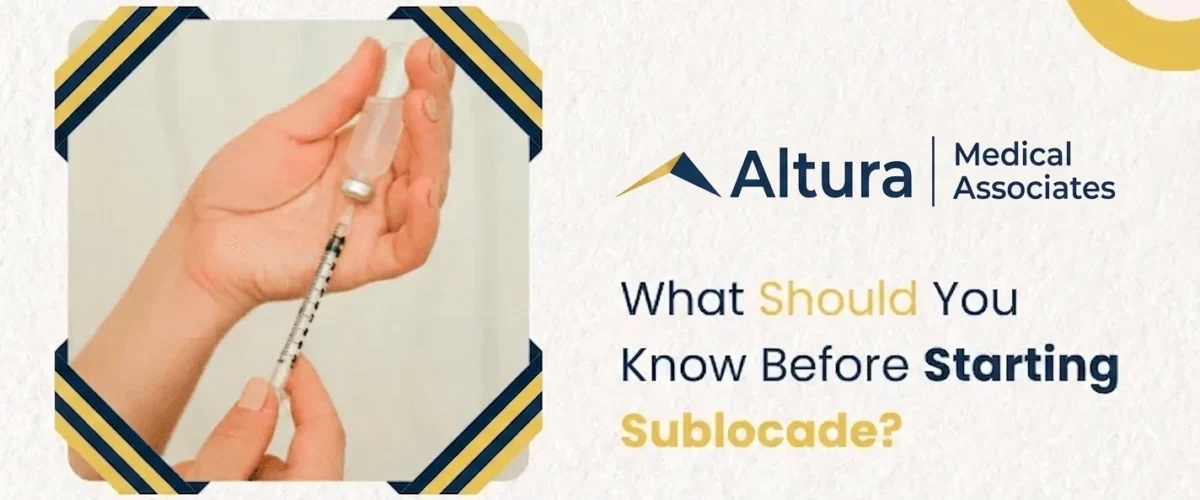
What Should You Know Before Starting Sublocade

What Should You Know Before Starting Sublocade?

Living with opioid use disorder can affect nearly every part of life—your physical health, emotional well-being, relationships, work, and sense of independence.

But opioid use disorder is treatable, and recovery does not have to happen through willpower alone.

Medication for opioid use disorder can reduce cravings and withdrawal symptoms and help create the stability needed to focus on recovery. One treatment option is SUBLOCADE®, a long-acting injectable form of buprenorphine.

If you are considering SUBLOCADE, understanding how it works, what to expect, and whether it may be appropriate for you can help you make an informed decision with your healthcare provider.

What Is Sublocade?

SUBLOCADE is an extended-release form of buprenorphine used as part of the treatment of moderate to severe opioid use disorder in adults.

Unlike buprenorphine medications that are taken under the tongue or inside the cheek each day, SUBLOCADE is given as an injection by a healthcare professional.

After the medication is injected under the skin, it forms a small depot that gradually releases buprenorphine into the body over time.

For many patients, one of the biggest advantages is freedom from taking medication every day.

SUBLOCADE is intended to be used as part of a comprehensive treatment plan that includes counseling and psychosocial support.

How Does Sublocade Work?

Opioids affect specific receptors in the brain. With repeated opioid use, the brain and body can become physically dependent, which can result in significant withdrawal symptoms and cravings when opioid use stops.

Buprenorphine is a partial opioid agonist.

It binds strongly to opioid receptors and can:

  • Reduce opioid cravings
  • Help prevent withdrawal symptoms
  • Reduce the rewarding effects of other opioids
  • Provide more stable medication exposure over an extended period

SUBLOCADE delivers buprenorphine gradually rather than requiring a patient to remember a medication every day.

It is important to understand that SUBLOCADE is not simply replacing one addiction with another.

Buprenorphine is an evidence-based medication used to treat opioid use disorder. When appropriately prescribed and monitored, it can help reduce illicit opioid use and support long-term recovery.

Do You Have to Take Suboxone Before Starting Sublocade?

This is an important area where recommendations have changed.

Previously, patients were generally required to take transmucosal buprenorphine, such as Suboxone, for at least seven days before receiving SUBLOCADE.

That is no longer required for every patient.

If you are not currently taking buprenorphine, your healthcare provider may first give you a small dose of transmucosal buprenorphine to make sure you tolerate it. You will be monitored before receiving the SUBLOCADE injection.

Some appropriate patients may therefore be able to begin SUBLOCADE on the same day.

If you are already taking a stable dose of transmucosal buprenorphine, your provider may be able to transition you directly to SUBLOCADE.

The exact approach depends on your current opioid use, withdrawal symptoms, previous exposure to buprenorphine, medications, medical history, and clinical assessment.

Do not attempt to start buprenorphine or SUBLOCADE on your own. Starting buprenorphine at the wrong time after certain opioids can trigger precipitated withdrawal.

How Often Is Sublocade Given?

SUBLOCADE is a long-acting injection.

The usual treatment schedule begins with 300 mg for the first injection followed by another 300 mg injection. Depending on the patient’s needs, the second injection may be administered as early as one week and up to one month after the first.

After the initial doses, the recommended maintenance dose for many patients is 100 mg monthly.

Some patients may require continued treatment with 300 mg based on their clinical response.

Your healthcare provider will determine the appropriate dose and schedule for you.

What Are the Benefits of a Long-Acting Injection?

For some patients, taking medication every day works very well.

For others, a monthly injectable treatment may offer important advantages.

SUBLOCADE may help reduce:

  • The need to remember daily medication
  • Frequent handling of buprenorphine tablets or films
  • Concerns about losing medication
  • Opportunities for medication diversion
  • Daily reminders associated with taking medication for opioid use disorder

A long-acting medication can also allow some patients to spend less time thinking about their medication and more time focusing on therapy, family, work, relationships, and rebuilding their lives.

However, SUBLOCADE is not automatically better than daily buprenorphine for every patient.

The best medication is the one that is safe, effective, and sustainable for the individual patient.

What Happens Before Your First Sublocade Injection?

Before starting treatment, your provider will complete an evaluation to determine whether SUBLOCADE is appropriate for you.

This may include reviewing:

  • Your current and previous opioid use
  • Previous treatment with buprenorphine
  • Withdrawal symptoms
  • Other medications
  • Alcohol or sedative use
  • Medical conditions
  • Liver health
  • Mental health history
  • Previous treatment experiences
  • Recovery goals

Your treatment team may also discuss overdose prevention and the importance of having naloxone available.

If you are not currently receiving buprenorphine, your provider may administer a test dose of transmucosal buprenorphine and monitor your response before proceeding with the injection.

Where Is Sublocade Injected?

SUBLOCADE is administered under the skin, not into a muscle or vein.

Current administration options include approved subcutaneous injection sites such as the:

  • Abdomen
  • Thigh
  • Buttock
  • Back of the upper arm

The injection site should be rotated.

After the injection, you may be able to feel a small lump or firm area under the skin. This is the medication depot and will gradually decrease in size as medication is released.

Do not rub, massage, or attempt to remove the depot.

Your healthcare provider will explain how to care for the injection site.

What Side Effects Can Occur?

Like all medications, SUBLOCADE can cause side effects.

Commonly reported adverse effects can include:

  • Injection-site pain or discomfort
  • Headache
  • Nausea
  • Constipation
  • Fatigue
  • Increased liver enzymes

Some injection-site redness, swelling, itching, or tenderness may also occur.

More serious risks are possible, which is why your provider should review your complete medical history and medications before treatment.

Buprenorphine can cause dangerous breathing problems, particularly when combined with alcohol, benzodiazepines, sedatives, or other medications or substances that suppress breathing.

Do not stop or change prescribed medications without discussing them with your treating clinicians. Instead, make sure your SUBLOCADE provider knows everything you take, including prescription medications, over-the-counter medications, supplements, alcohol, and other substances.

Why Is Sublocade Given Through a Special Program?

SUBLOCADE has specific safety requirements because injecting the medication directly into a vein can cause serious harm, including potentially life-threatening complications.

For this reason, SUBLOCADE is available through a restricted program called the SUBLOCADE REMS Program.

Patients do not take SUBLOCADE home and inject themselves.

The medication must be administered by a healthcare professional through a healthcare setting that follows the REMS requirements.

This safety system helps ensure the medication is stored, handled, and administered appropriately.

Is Sublocade Enough by Itself?

Medication can be an extremely important part of recovery—but medication is not the entire recovery plan.

Opioid use disorder may affect:

  • Mental health
  • Relationships
  • Employment
  • Family life
  • Sleep
  • Physical health
  • Trauma
  • Self-esteem
  • Financial stability
  • Daily routines

For many patients, the strongest treatment plan combines medication with counseling, behavioral support, psychiatric treatment when needed, recovery resources, and attention to the individual’s broader life circumstances.

How Altura Medical Associates Can Help

At Altura Medical Associates, we treat opioid use disorder as a medical and behavioral health condition—not a moral failure.

Our goal is to provide care in a respectful, nonjudgmental environment where patients can speak openly about their substance use, mental health, setbacks, and recovery goals.

Our treatment approach may include:

  • Medication treatment for opioid use disorder
  • SUBLOCADE
  • Buprenorphine-based treatment
  • Psychiatric evaluation
  • Medication management
  • Individual therapy
  • Treatment for depression and anxiety
  • Trauma-informed care
  • Relapse-prevention support
  • Coordination with other healthcare professionals when appropriate

Our clinical team includes Dr. Aura Ardon, a board-certified psychiatrist, and Meghan Lunnie, PA, who has a particular focus on recovery and substance-use treatment.

We believe medication can provide stability, but recovery is about much more than medication.

It is about helping the person rebuild health, relationships, purpose, confidence, and quality of life.

Taking the Next Step

Starting treatment can feel overwhelming, particularly if you have tried to stop opioids before and experienced withdrawal, cravings, or relapse.

You do not need to have everything figured out before asking for help.

The first step can simply be having a conversation about what is happening and what treatment options may fit your needs.

If you are interested in SUBLOCADE or treatment for opioid use disorder, contact Altura Medical Associates at (203) 456-6989 to schedule an evaluation.

Our Danbury office is located at:

46 Federal Road, Suite D
Danbury, CT 06810

Recovery does not have to look the same for everyone.

The goal is not simply to stop using opioids. The goal is to help you build a life in which recovery can last.

Medical Disclaimer: This article is for educational purposes only and is not intended to provide medical advice, diagnosis, or treatment. SUBLOCADE is a prescription medication and is not appropriate for everyone. Treatment for opioid use disorder should be individualized and provided by a qualified healthcare professional. Buprenorphine can cause serious or life-threatening respiratory depression, particularly when combined with alcohol, benzodiazepines, sedatives, or other central nervous system depressants. Talk with your healthcare provider about medication risks, overdose prevention, and whether naloxone should be prescribed or available.

Frequently Asked Questions

What is Sublocade?

SUBLOCADE is a long-acting injectable form of buprenorphine used to treat moderate to severe opioid use disorder in adults. It gradually releases medication over an extended period and is administered by a healthcare professional.

Do I need to take Suboxone for seven days before starting Sublocade?

Not necessarily. Current prescribing information allows some patients who are not already taking buprenorphine to receive a test dose of transmucosal buprenorphine and, if it is tolerated appropriately, receive their first SUBLOCADE injection the same day. Patients already receiving appropriate doses of transmucosal buprenorphine may be transitioned directly. Your provider will determine the safest approach for you.

How often do you receive Sublocade?

After the initial dosing period, SUBLOCADE is generally administered once monthly. The exact dose and timing depend on your response to treatment and should be determined by your healthcare provider.

Will Sublocade stop cravings completely?

SUBLOCADE can significantly reduce opioid cravings and withdrawal symptoms, but individual responses vary. Medication works best as part of a comprehensive recovery plan that includes appropriate behavioral and psychosocial support.

Can I still overdose while taking Sublocade?

Yes. SUBLOCADE reduces some risks associated with opioid use disorder, but overdose is still possible. Using opioids, alcohol, benzodiazepines, or other sedating substances can be particularly dangerous. Ask your healthcare provider about keeping naloxone available.

Can any doctor give Sublocade?

SUBLOCADE is available only through its restricted REMS program and must be administered by a healthcare professional in an appropriate healthcare setting that complies with the program requirements. Patients cannot pick up SUBLOCADE from a retail pharmacy and inject it themselves.

Is Sublocade addictive?

SUBLOCADE contains buprenorphine, which is an opioid and can cause physical dependence. However, physical dependence is not the same thing as uncontrolled addiction. Buprenorphine is an evidence-based medication used to treat opioid use disorder and can help reduce cravings, withdrawal, and illicit opioid use when appropriately prescribed.

Questions to Ask Before Starting Ketamine Infusion Therapy for Depression

Questions to Ask Before Starting Ketamine Infusion Therapy for Depression

Depression feels overwhelming, like a heavy blanket. Some days, getting out of bed is a struggle and traditional medications may not help. But don’t lose hope. Ketamine infusion therapy offers a new approach, as using ketamine for depression helps your brain create new pathways and provides quick relief when other treatments fail. It can give you a fresh start.

Starting a new health plan is a big step. At Altura Medical Associates, we prioritize your safety. Dr. Aura Ardon and our team focus on your overall health, providing psychiatric help through telehealth. You can take an online consultation from the comfort of your home.

Before beginning, ask your doctor key questions. We will help you know what to ask, equipping you to take control of your health.

What to Ask About the Medicine

You need to know how the medicine works and ask yourself, does ketamine therapy work for my specific situation? Every single person has a totally different brain. You must ask questions to see if this fits you perfectly.

  • ‍How does this medicine change my brain?
  • How fast will I actually feel better?
  • What does the medicine feel like in my body?
  • How long does the happy feeling last?
  • Can I stop taking it if I feel strange?

When receiving a ketamine infusion for depression, ketamine often works quickly, with some patients feeling relief in just a few hours, though others may need a few days. To ensure your expectations are grounded, our virtual team will explain the process clearly and patiently. We never rush you, ensuring you feel completely secure and informed about your choice.

Questions to Ask About Your Health

Your body is very unique. Your past health matters a huge amount. A good doctor will check everything about you. They will read your old health files.

  1. ‍Is this safe for my exact type of sadness, especially when considering ketamine for severe depression?
  2. Will it mix badly with the pills I take now?
  3. Does my past pain change how this works?
  4. What bad feelings could I get from it?
  5. Do I need any blood tests first?

We discuss all of this during a simple video call, allowing you to stay comfortable at home. By taking a holistic approach, evaluating your complete health history, sleep patterns and stress levels, we build a highly personalized care plan designed specifically for your mind and body.

What to Ask About the Care Plan

A good plan for your ketamine treatment for depression has very clear steps. You need to know the daily schedule. You should never feel lost or confused.

  • How many treatments will I need to take?
  • How much time is between each step?
  • What happens if I miss a day by accident?
  • When do we check if the plan is working well?
  • Can my family join the video calls?

We map this out for you. Our experts use video chats to track your daily mood. We check in with you often. We want to hear all about your good days. We want to hold you up on the bad days. Our team serves folks in Connecticut, New York, Florida and Nebraska totally online.

Questions About Your Care Team

You need to trust the people helping you. You must feel safe with them. You should always ask about the doctors.

  1. Who exactly will be in charge of my daily care?
  2. How much time have they spent doing this?
  3. Can I reach someone if I feel scared later on?
  4. Who do I call if I have a question on Sunday?
  5. How often will we talk on the computer?

Dr. Ardon built the Altura Medical Associates virtual team on a foundation of kindness and open, non-judgmental listening. When you work with our highly trained professionals, you will always receive personalized attention and never feel like just another number on a page.

What to Ask About Cost and Insurance

Money is a huge part of health care. Worrying about big bills is very bad for depression. You need clear answers about money from the very first day.

  • ‍Does my health plan pay for this care?
  • Are there extra costs I should know about today?
  • Do you let people pay a little bit each month?
  • What is the total cost for the whole plan?
  • Will you help me talk to my insurance company?

Navigating health insurance can be confusing, but our staff is here to simplify the process. We accept many major plans, including Medicare, Aetna and Cigna and we will clearly explain the financial details during your first virtual call so you never have to worry about hidden surprises.

Questions About Life After Treatment

Getting the medicine is just part of the hard work. You need a solid plan for after the treatment ends. The real healing keeps going.

  1. ‍Do I need to keep doing talk therapy online?
  2. What daily habits should I try to change?
  3. How do I keep my mood happy for a long time?
  4. Will I need to take other pills later down the road?
  5. How do I know if the sadness is coming back?

We believe in full care. This means we treat all of you. We offer online talk therapy to help you manage stress, practice deep breathing and develop healthy habits for lasting mental strength.

How Our Virtual Care Supports You

We want to make getting help as easy as we can. When you feel sad, leaving the house is far too hard. This is why our totally online model is so great.

  • You book your doctor visit online.
  • You talk to our experts through a simple screen.
  • You stay in your most comfortable soft clothes.
  • You save a lot of time and energy.
  • You stay in your own safe space.

We bring the absolute best mental health care right to your screen. Access top doctors without travel stress. We monitor your progress and adjust your care plan online, making everything easy for you.

Getting Ready for Your First Video Chat

You might feel a bit shaky before your first talk. That is totally fine. Being ready helps calm those jumpy nerves. Here is a list to help you get ready today.

  1. Write down all the pills you take right now.
  2. Write down your past health issues on a pad.
  3. Make a list of questions you want to ask us.
  4. Find a quiet room with good internet for the call.
  5. Test your camera and microphone early.

We’ll greet you with a smile and take our time to hear your story. You are the most important person on the video call.

Take the Next Step for Your Health

Depression does not have to win. You have real choices and a bright future, with ketamine infusion therapy potentially being the key to better days when utilizing ketamine to treat depression. But asking questions is your first job. You must speak up for yourself. We want you to feel strong.

We are totally ready to answer every single question. Altura Medical Associates is here for you. We offer you respectful online care to help you live your best life right now.

If you are ready to look at this path, please reach out to us. Book a virtual chat today, and download our free ebook to learn more about preparing for your journey to wellness.

FAQs

Q. What is ketamine therapy?

Ketamine is a medicine for deep sadness. It helps the brain make new paths. This can bring fast relief when other pills fail.

Q. What happens after the medicine stops?

Healing keeps going after the treatment. Online talk therapy is used to lower stress. Building new daily habits helps keep a happy mood for a long time.

Is Social Anxiety Disorder the Same as Shyness

Is Social Anxiety Disorder the Same as Shyness?

Have you ever experienced a flutter in your stomach before entering a room full of unfamiliar faces? Perhaps your hands became moist before a meeting. Nervousness is a common experience, but it can occasionally feel like a heavy weight.

This contrast leads people to wonder if shyness and social anxiety disorder are the same thing. They are not the same. Although they may look similar, they are fundamentally different. We’re here to clarify the difference.

What Does It Mean to Be Shy?

Shyness is a common and familiar feeling. And it’s this uneasy feeling that creeps around strange faces. It whispers. It does not shout. A reserved person might feel uneasy at a loud event. So, they may stay near the food and drinks until they feel ready to chat with others.

That is the thing that matters most: shyness doesn’t mean they cannot live. It is simply a speed bump! Over time, nerves get used to the situation to get connected. A reserved person goes to work and shopping without getting away from the crowd. They regulate their anxiety by taking deep breaths.

What Is Social Anxiety Disorder?

Social anxiety disorder involves a strong fear of judgment from others. Those affected often feel watched and worry that minor mistakes, like dropping a pen or stuttering, are major failures.

This overwhelming fear does not just go away. It clings to the person relentlessly. Thinking about a future party can make them feel physically sick. Because this fear does not fade, it disrupts daily life. It makes people cancel plans, miss school, or skip work. This hurts their chances of building relationships and achieving their goals.

The Main Differences Between the Two

Please look at their core differences side by side.

  • ‍ ‍How Long the Feeling Lasts: Shyness dissipates once you get your bearings. Social anxiety stays for a remarkably long time, sometimes for years.
  • How Strong the Fear Is: Shyness is a quiet discomfort. Social anxiety brings a heavy, powerful panic that feels impossible to control.
  • How It Changes Your Day: A shy person still accomplishes what they need to do. A person battling social anxiety might stay completely isolated inside their home.
  • Where the Worry Comes From: Shyness is feeling mildly uneasy around new faces. Social anxiety is extreme worry about being negatively evaluated by society.

How Your Body Reacts to Fear

Your brain and body are intimately connected. When you feel fear, your body reacts right away. Someone shy might get a little red in the face. But someone with social anxiety feels it intensely. Their body sounds a blaring alarm.

  • ‍Your heart beats erratically fast.
  • You sweat profusely, even in a cold room.
  • Your hands might visibly shake.
  • Your stomach might tie itself into knots.
  • You might experience sudden waves of dizziness.
  • You feel entirely out of breath.
  • Your mind simply goes blank when you speak.

When It Is Time to Ask for Extra Help

Breathe*,* that is usually the first piece of advice you get. But what happens when breathing is not enough? How do you know when to talk to a doctor? If you ever feel completely stuck, it might be time to ask for a professional hand.

  • ‍ You feel strong panic weeks before a big event.
  • You avoid eating in front of other people.
  • You skip work or school to stay away from crowds.
  • You feel unhappy and completely unable to move forward.
  • You worry all the time about what others think.

You do not have to fight this giant worry all by yourself. Help is waiting.

How Altura Medical Associates Can Help

For support, contact Dr. Aura Ardon and the caring team at Altura Medical Associates. We deliver quality outpatient care for kids, teenagers and adults. Our atmosphere is both safe and relaxing.

We firmly believe in a holistic approach. We treat your mind and body together as one connected system. We can help you feel better faster by combining effective talk therapy with safe medication management. This approach breaks the cycle of panic. We know how hard it is to wait for help. We provide easy access to care with office visits in Danbury, Connecticut. Telehealth is available in Connecticut, New York, Florida and Nebraska for anxiety, depression, trauma and ADHD support.

Taking Your Next Steps Toward Happiness

You do not have to live with giant fears forever. Whether dealing with strong shyness or a big anxiety disorder, support is out there. Every person deserves to feel calm inside. If fear is stopping you, please reach out to our caring team today. You can book an easy appointment online or call our friendly office. Let us help you find your bright smile again. Your journey to feeling happy and free starts today.

FAQs

Q. How do I know if I need to ask for help?

If you feel extreme panic weeks before a party, or if you skip school and work just to stay away from crowds, it is time to talk to a doctor.

Q. Who can help me feel better?

Dr. Aura Ardon and the team at Altura Medical Associates can help. They offer talk therapy and medicine to help kids, teens and adults feel calm again.

Why Women Gain Weight During Perimenopause

Why Women Gain Weight During Perimenopause

If you are in your 40s or early 50s and suddenly feel like your body is changing—even though you haven’t dramatically changed the way you eat or exercise—you are not imagining it.

Maybe the scale is slowly creeping up. Your clothes fit differently. Weight that once settled around your hips and thighs now seems to collect around your abdomen. Perhaps the strategies that worked for you in your 30s simply don’t seem to work anymore.

For many women, these changes happen during perimenopause.

Perimenopause is a natural transition, but that doesn’t mean you have to ignore symptoms that are affecting your health, confidence, energy, or quality of life.

At Altura Medical Associates, we believe in looking at the whole woman—hormones, metabolism, sleep, nutrition, mental health, stress, and lifestyle—to understand what may be contributing to these changes.

What Is Perimenopause?

Perimenopause is the transitional period leading up to menopause.

During this time, ovarian hormone production begins to change. Estrogen and progesterone levels can fluctuate significantly rather than simply declining in a straight line.

Perimenopause most commonly begins during a woman’s 40s, although some women experience symptoms earlier. The transition can last several years and ends when a woman has gone 12 consecutive months without a menstrual period, which marks menopause.

Symptoms may include:

  • Irregular or changing periods
  • Hot flashes
  • Night sweats
  • Sleep disturbances
  • Mood changes or increased irritability
  • Anxiety
  • Brain fog or difficulty concentrating
  • Changes in sexual desire
  • Vaginal or urinary symptoms
  • Changes in weight or body composition

Because symptoms can develop gradually, many women don’t immediately recognize that what they are experiencing may be connected to the menopausal transition.

Why Does Weight Become More Difficult to Manage?

There isn’t one single reason.

Hormonal changes matter, but so do aging, muscle mass, sleep, stress, physical activity, nutrition, genetics, and metabolic health.

Understanding these factors can help you move away from blaming yourself and toward identifying what your body actually needs during this stage of life.

1. Hormonal Changes and Fat Distribution

One of the most noticeable changes during the menopausal transition may not simply be how much you weigh, but where your body stores fat.

As estrogen levels change, women tend to experience a shift toward greater abdominal or visceral fat accumulation.

This means that even if the number on the scale hasn’t changed dramatically, your waistline and overall body composition may look and feel different.

Visceral fat—the fat stored deeper around the abdominal organs—is particularly important because higher amounts are associated with increased metabolic and cardiovascular health risks.

At Altura Medical Associates, our Women’s Hormone Health & Vitality services take an individualized approach to symptoms that may be associated with hormonal changes, including changes in weight, energy, sleep, mood, and mental clarity.

2. Loss of Muscle Mass

Women naturally begin losing muscle mass as they age, particularly if they aren’t doing regular resistance or strength training.

This matters because muscle is metabolically active tissue.

When you lose muscle, your body composition changes and your daily energy requirements may decrease. That means eating and exercising exactly as you did years ago may no longer produce the same results.

This is one reason why strength training becomes increasingly important during midlife.

The goal isn’t simply to become smaller. Maintaining muscle helps support strength, mobility, bone health, metabolism, and healthy aging.

3. Changes in Where Your Body Stores Fat

Many women notice a frustrating change during perimenopause: fat that once accumulated primarily around the hips and thighs begins appearing more around the abdomen.

Hormonal changes associated with menopause appear to contribute to this shift in body-fat distribution.

Abdominal fat isn’t simply a cosmetic concern. Excess visceral fat is associated with increased risk for conditions such as:

  • Insulin resistance
  • Type 2 diabetes
  • Cardiovascular disease
  • Abnormal cholesterol levels
  • High blood pressure

This is why we encourage women to think beyond the number on the scale and consider metabolic health and body composition as well.

4. Sleep Problems

Sleep disruption is extremely common during perimenopause.

Hot flashes and night sweats may wake you repeatedly. Anxiety can make it difficult to fall asleep. Some women begin waking in the middle of the night and struggle to return to sleep.

Poor sleep doesn’t only leave you exhausted the next morning.

Insufficient or disrupted sleep can affect appetite regulation, food choices, insulin sensitivity, stress hormones, energy, and motivation to exercise.

After a night of poor sleep, reaching for sugar or carbohydrates isn’t necessarily a lack of willpower. Your body is tired and looking for quick energy.

If poor sleep has become a regular part of your life, addressing the cause should be part of your overall health plan.

5. Changes in Appetite and Eating Patterns

Some women notice changes in appetite, cravings, or eating patterns during midlife.

Hormonal fluctuations, stress, poor sleep, mood changes, and changes in insulin sensitivity may all influence hunger and food choices.

When you’re exhausted, stressed, or overwhelmed, highly palatable foods—especially foods high in sugar and refined carbohydrates—can become particularly appealing.

Rather than relying on extreme restriction, focus on meals that provide adequate protein, fiber, vegetables, healthy fats, and minimally processed carbohydrates.

A sustainable nutrition plan should help you feel nourished and satisfied—not constantly hungry.

6. Stress and Cortisol

Midlife can be an extraordinarily demanding stage for women.

You may be managing a career, raising children, caring for aging parents, maintaining relationships, managing a household, and trying to take care of yourself somewhere in between.

Then perimenopause adds hormonal fluctuations, disrupted sleep, mood changes, and physical symptoms.

Chronic stress activates the body’s stress-response system and can affect sleep, appetite, food choices, and metabolic health. It can also contribute to emotional eating.

Some women eat when they feel:

  • Overwhelmed
  • Anxious
  • Sad
  • Angry
  • Lonely
  • Exhausted

This is why taking care of your emotional health is not separate from taking care of your physical health.

Mental health is part of metabolic health.

At Altura Medical Associates, our background in mental health allows us to consider the connection between emotional well-being, hormonal changes, sleep, stress, and physical health.

7. Aging and Metabolic Changes

It is easy to blame everything on hormones, but aging itself also plays an important role.

As we age, changes in muscle mass, physical activity, energy expenditure, and metabolic health can make weight management more challenging.

This is why simply telling a woman to “eat less and exercise more” often misses the bigger picture.

Effective treatment begins with understanding what has changed.

8. Genetics

Genetics also influence body shape, fat distribution, metabolism, and the tendency to gain weight.

If women in your family experienced significant changes in weight or body composition during menopause, you may have a similar tendency.

You cannot change your genetics, but genetics do not determine your destiny.

Understanding your risk factors allows you to be more proactive about nutrition, exercise, sleep, metabolic health, and medical care.

9. Lifestyle Changes

Sometimes the biggest change isn’t hormonal—it’s life.

Women in midlife often have less time for themselves.

You may be:

  • Raising children or teenagers
  • Caring for aging parents
  • Managing a demanding career
  • Experiencing relationship changes
  • Sleeping poorly
  • Exercising less consistently
  • Eating meals on the run

Over time, these seemingly small changes can affect weight, muscle mass, sleep, stress, and overall health.

What Can You Do About Perimenopause Weight Gain?

Weight gain during perimenopause is common, but it isn’t something you simply have to accept.

The strategy that worked in your 20s or 30s may need to change.

Prioritize Protein and Whole Foods

Protein becomes especially important as we age because it helps preserve lean muscle mass and supports satiety.

Build meals around foods such as lean proteins, vegetables, fruits, whole grains, legumes, nuts, seeds, and healthy fats.

You don’t need a perfect diet.

Consistency matters more than perfection.

Add Strength Training

Cardiovascular exercise remains important, but don’t overlook resistance training.

Strength training helps preserve and build muscle, supports bone health, improves physical function, and can help improve body composition.

Aim to incorporate resistance training into your routine at least a few times per week, based on your health and fitness level.

Walking and other forms of cardiovascular activity are also valuable.

Make Sleep a Health Priority

Aim for approximately seven to nine hours of sleep when possible.

Keep your bedroom cool and dark, maintain a consistent sleep schedule, and reduce screen exposure close to bedtime.

If hot flashes, night sweats, anxiety, insomnia, snoring, or other symptoms are repeatedly disrupting your sleep, consider seeking professional evaluation.

Manage Stress Differently

You cannot eliminate every source of stress from your life.

But you can change how your body experiences and responds to stress.

Exercise, meditation, breathing exercises, therapy, spending time outdoors, maintaining meaningful relationships, and simply creating protected time for yourself can all help.

For some women, therapy can be an important part of navigating the emotional and identity changes that accompany midlife.

Stop Fighting Your Body. Start Understanding It.

Perimenopause isn’t a disease.

But symptoms that interfere with your quality of life deserve attention.

You shouldn’t have to accept feeling exhausted, uncomfortable in your body, mentally foggy, anxious, irritable, or unlike yourself simply because you have reached a certain age.

And treatment shouldn’t focus on one symptom in isolation.

At Altura Medical Associates, our Women’s Hormone Health & Vitality approach considers the interconnected factors that influence how women feel during perimenopause—including hormonal health, mental health, sleep, stress, weight, metabolism, and lifestyle.

Depending on your symptoms, medical history, laboratory findings, risk factors, and personal goals, treatment may include lifestyle interventions, mental health treatment, weight-management strategies, and evaluation for hormone therapy when clinically appropriate.

Hormone therapy is not appropriate for every woman, and treatment should always be individualized after a comprehensive medical evaluation.

Caring for the Whole Woman

One of the most important things women can do during perimenopause is stop treating every symptom as a separate problem.

Poor sleep can worsen anxiety.

Anxiety can increase stress.

Stress can affect eating habits.

Loss of muscle can affect metabolism.

Hormonal changes can influence sleep, mood, body composition, and sexual health.

It is all connected.

That is why our approach is designed around the whole person rather than simply treating a number on a scale or a hormone level on a laboratory report.

Final Thoughts

Your body may change during perimenopause—but this stage of life does not have to mean losing your energy, confidence, strength, or sense of yourself.

This can also be an opportunity to understand your body differently and become more intentional about your long-term health.

If something feels different, pay attention.

If you’re struggling with weight, fatigue, poor sleep, mood changes, brain fog, hot flashes, or other symptoms, consider a comprehensive evaluation rather than assuming you simply need to eat less or exercise more.

Understand what is changing. Identify what your body needs. Then create a plan designed for you.

At Altura Medical Associates, we provide personalized care for women navigating perimenopause and midlife changes, with attention to both physical and emotional well-being.

Contact us to learn more about our Women’s Hormone Health & Vitality services.

Medical Disclaimer: This article is intended for educational purposes only and is not a substitute for individualized medical advice, diagnosis, or treatment. Weight changes and symptoms during perimenopause can have many causes. A healthcare professional can evaluate your symptoms, medical history, medications, laboratory findings, and individual risk factors to determine appropriate treatment.

Frequently Asked Questions

Is weight gain during perimenopause permanent?

Not necessarily. Although changes in body composition and fat distribution are common during midlife, nutrition, physical activity, strength training, sleep, stress management, and appropriate medical treatment can all influence weight and metabolic health.

Do I need a strict diet to prevent perimenopause weight gain?

No. Highly restrictive diets are often difficult to sustain and may not address the underlying factors contributing to weight changes. A balanced approach emphasizing adequate protein, fiber, whole foods, and appropriate portions is generally more sustainable.

Can hormone therapy help with weight loss?

Hormone therapy is not a weight-loss treatment. However, for appropriate candidates, menopausal hormone therapy can effectively treat symptoms such as hot flashes and night sweats and may have effects on body composition and metabolic health. Whether hormone therapy is appropriate depends on your symptoms, medical history, risks, and individual goals.

Why am I gaining belly fat even though my weight hasn’t changed much?

Hormonal and age-related changes can affect where the body stores fat. During the menopausal transition, women commonly experience an increase in abdominal or visceral fat even without a dramatic change in total body weight.

Can perimenopause affect my mental health?

Yes. Some women experience new or worsening anxiety, irritability, mood changes, sleep disturbance, or depressive symptoms during the menopausal transition. Hormonal fluctuations can interact with stress, sleep, relationships, and previous mental health history.

Because Altura Medical Associates specializes in mental health as well as women’s wellness, we believe these symptoms should be considered together rather than treated as completely separate issues.

Why Is It So Hard to Stop Using Drugs or Alcohol

Why Is It So Hard to Stop Using Drugs or Alcohol?

Have you ever wondered why it feels almost impossible to stop using drugs or alcohol? Many people think it is just about willpower. They think anyone can stop if they truly want to, but it’s more complicated. Stopping is very hard for many reasons. The great news is that support is available.

At Altura Medical Associates, we help people tackle substance use issues. We focus on both addiction and the emotional challenges that often arise.

Let us look at the reasons why this struggle is so real and so difficult.

What Is Addiction?

Addiction is a health problem. It makes a person keep using drugs or alcohol, even when it causes harm.

A person with addiction may have:

  • ‍ ‍Problems at work or school
  • Trouble with family or friends
  • Poor health
  • Money problems

Addiction can impact anyone, no matter their age or origin.

Why Is It So Hard to Stop Using Drugs or Alcohol?

The Brain Gets Changed by Addiction

Your brain sends messages throughout your body. It controls your emotions, thoughts, and behaviors. One important chemical involved in the brain’s reward system is dopamine. This chemical helps create feelings of pleasure and motivation.

Healthy activities naturally release dopamine. These activities include:

  • Spending time with loved ones
  • Exercising
  • Enjoying a favorite meal

But drugs and alcohol can trigger a big release of dopamine.

Over time, the brain adapts to these intense changes. It may produce less dopamine naturally. This change makes everyday activities feel less enjoyable. Without the substance, a person may feel:

  • Emotionally numb
  • Sad
  • Empty

They need the substance just to feel normal. This is not your fault. The drug changed your brain. Now your brain thinks it needs the drug to be okay. This is why it is so hard to stop.

Withdrawal Can Be Physically and Emotionally Difficult

When you try to stop using drugs or alcohol, your body can get sick. This is called withdrawal. It is not fun. You might feel very hot or very cold. You might shake. You might throw up. Your head might hurt. You might feel very scared or very sad. You might not be able to sleep.

Withdrawal can feel overwhelming. You may want to stop using it, but you don’t want to feel sick. So, you take the drug or drink alcohol again.

This is a hard cycle to break. It is not because you are weak. It is because your body is used to the drug. It is trying to fix itself. But the fixing process is painful.

Cravings Can Feel Overwhelming

Have you ever had a craving for a favorite food? A craving for drugs or alcohol is like that, but a thousand times stronger. A craving is not just a thought. It is a feeling that takes over your whole body

Cravings can be triggered by various factors, including:

  • Visiting an old drinking spot
  • Feeling stressed
  • Hearing a certain song
  • Watching someone else use the substance

Cravings are normal in addiction and reflect brain conditioning, not weakness. They can overwhelm your focus and make resisting difficult, requiring significant effort.

Emotional Pain Can Trigger Substance Use

Many people start using drugs or alcohol to escape from pain. Substance use may temporarily provide relief from:

  • Trauma
  • Anxiety
  • Depression
  • Stress
  • Difficult life experiences

When someone stops using substances, painful emotions may return. Without the substance as a coping tool, facing these feelings can feel overwhelming.

Recovery is about managing emotions, understanding the past and becoming stronger.

At Altura Medical Associates, we treat substance use disorders. We also address the emotional challenges that may contribute to these issues.

Habits Are Difficult to Change

Substance use is not just a physical act. It is a habit. It becomes part of your daily routine. You might:

  • Always drink after a hard day at work
  • Always use with certain friends

These patterns are deeply ingrained. They become automatic. Your body goes through the motions without you even thinking about it.

Breaking a habit is hard, especially if it’s linked to strong feel-good brain chemicals, like nail-biting.

To change, you need to:

  • ‍ Change your whole routine
  • Find new ways to spend your time
  • Possibly find new friends

This is a lot of change all at once. It is no wonder it feels so difficult.

Life without the Substance May Feel Empty at First

For many, drugs or alcohol dominate daily life, consuming time, money and energy.

When they stop, they may feel empty, bored, or uncertain. They might wonder:

  • Who they are without the substance
  • How to enjoy life again

Recovery involves rebuilding a meaningful life. This new life should be filled with:

  • Healthy relationships
  • Engaging activities
  • Personal goals

This process takes time, patience and support.

Fear of Failure Can Hold You Back

Trying to stop worrying can actually raise anxiety. Past errors can instill hesitation about making changes. This fear can be paralyzing. It can stop you from even trying again.

Many individuals will experience relapse during recovery. It doesn’t mean failure. Keep these key points in mind:

  • It is a sign that you need to try a different approach.
  • It is a chance to learn what triggered the relapse.
  • It can help you grow and find new strategies.

But fear can cloud your perspective and create hopelessness. Believing in your success is crucial.

Shame Can Make Addiction Harder to Overcome

Many people feel shame about their drug or alcohol use. They believe that they are bad people. They feel they have failed.

As a consequence, they may conceal their issue from relatives and friends for fear of being evaluated. This shame feels heavy. It worsens the issue and stops people from getting the help they need.

Having support is vital. It’s important to have people who care about you. They can:

  • Encourage you
  • Help you stay on track
  • Be there for you when you are struggling

Without this support, the journey can feel impossible.

How Professional Help Can Make a Difference

Professional treatment provides tools and support for recovery.

Many individuals with addiction face mental health challenges such as anxiety, depression, or trauma. Addressing these can aid in recovery.

Altura Medical Associates provides specialized substance use disorder treatment that focuses on the whole person. Our compassionate approach may include:

  • Individualized therapy
  • Counseling and emotional support
  • Evidence-based treatment approaches
  • Mental health care
  • Relapse prevention strategies

Every person’s recovery journey is different. A treatment plan should match their needs and goals.

With the right support, people can:

  • Build healthier habits
  • Repair relationships
  • Feel confident again
  • Create a better future

Final Thoughts

Stopping drugs or alcohol is hard because addiction changes the brain, body and feelings.

Cravings, withdrawal, stress and fear can make recovery feel difficult.

But recovery is possible with the right help.

Altura Medical Associates offers caring support to people seeking a healthier life. Recovery means starting anew.

For support, contact us to learn how we can assist you or a loved one.

FAQs

Is addiction a disease or a choice?

Addiction is a long-term medical issue that changes brain function. Starting substance use is a choice, but quitting can be difficult without support.

‍ Does relapse mean recovery has failed?

No, a relapse isn’t a failure. It shows a need for more support or a new plan. Many recover after relapsing.

How Does Depression Affect Your Immune System

How Does Depression Affect Your Immune System?

Feeling physically unwell after weeks of deep sadness is more common than many people realize. Depression does not only affect your emotions. It also has a powerful impact on your physical health. Your mind and body are closely connected, so when your emotional well-being suffers, your body often feels the effects as well.

‍Many people think depression is simply feeling sad, but it is much more than that. It can leave you feeling exhausted, make everyday tasks seem overwhelming, affect your sleep and appetite, and even weaken your body’s ability to fight off illness. These physical symptoms are real, not imagined.

Understanding how depression affects both your mind and body is an important step toward recovery. In this article, we will explore why depression can make you feel physically drained, how it impacts your overall health, and the practical steps you can take to start feeling better.

What Is the Immune System?

Think of your body as a large castle. Your immune system is the guard team. Their only job is to keep you safe from harm. Every single day, tiny bad germs try to sneak inside you. When they do, your guards fight them off quickly. You stay healthy. You do not even know a fight happened!

But sometimes, the guards get tired. A tired team makes mistakes. You might catch a cold fast. You might feel weak. Many things wear your guards down. Deep sadness is a big one. It makes it very hard for your team to win. When you are sad for a long time, the guards stop paying attention. The bad germs sneak right past them. Then, you get sick.

How Stress Connects Your Mind and Body

Stress is heavy. Depression brings a ton of stress into your life every single day. When you are stressed, your brain sounds a loud alarm bell. Your body hears it. It makes a special chemical called cortisol to help you run from danger. Run fast!

But with depression, the danger never actually leaves. The alarm rings all day. The alarm rings all night. Your body makes way too much of this chemical. That is bad for your guard team. Too much cortisol tells your guards to stop working so hard. They take a break. Your body is not ready when real germs attack. This leaves you feeling completely worn out. Your muscles feel weak. Your mind feels foggy.

When Your Body Stays on Alert

Swelling happens. We call this inflammation. Usually, it is a good thing! If you scrape your knee, it gets red and swells up to heal the cut. It protects the hurt spot.

But depression tricks your body. It causes this swelling to happen inside you, even when there are no cuts on your skin. Your body stays on high alert. Waiting. Watching. Being on high alert takes so much energy. This is why sad days make you feel so tired. It makes your joints ache – sometimes a lot. When your body spends all its energy on a false alarm, it cannot fight real sickness. It has no power left for the actual germs.

‍How Sleep Problems Make Your Body Weak

Sleep. It is the only time your body truly heals itself. It is when your guard team builds up its strength for the next day. But depression ruins sleep. It keeps you awake. It steals your rest.

Here are common sleep problems caused by sadness:

  • You lie awake in bed for hours at night.
  • You wake up very early and cannot go back to sleep.
  • You toss and turn because your mind will not stop racing.
  • You sleep all day but still feel totally exhausted.

Your body needs sleep to make new guards. No sleep means fewer guards. Fewer guards mean a tiny germ can easily make you sick. Missing rest hurts you a lot. Your body just cannot fix itself without it.

Changes in Your Daily Habits

Sadness changes your choices. These daily changes hurt your guard team too. When you feel low, picking healthy habits feels too hard. It feels impossible. You just want to hide.

Your daily routine might change in these ways:

  1. You eat lots of sugary junk food instead of real meals.
  2. You stop eating fresh fruits and green vegetables.
  3. You skip meals all day because you do not feel hungry.
  4. You sit inside all day instead of taking a walk outside.
  5. You drink more alcohol than you normally do to forget the sadness.

Good food and movement are fuel. They keep your body running smoothly. Bad food and sitting still slow your guard team down. They become very weak. Without good fuel, your body simply gives up.

Signs Your Body Needs Help

Listen closely. Your body will tell you when it is struggling. You just have to look for the signs. It will send you clear messages.

Watch out for these clear warnings:

  • You catch colds way more often than your family does.
  • A tiny paper cut takes a very long time to heal.
  • Your stomach is upset on most days of the week.
  • You feel sore all over for no good reason.
  • You feel too weak to do simple chores around the house.

Your body is asking for help. It is saying the sadness is hurting your physical health. You need to listen to these signs.

Simple Ways to Help Your Body and Mind

Hope remains. You do not have to feel this way forever. You can take tiny steps to help your mind and rebuild your guard team. Start small. Do not rush.

Try these easy steps today:

  1. Drink a big glass of fresh water every morning when you wake up.
  2. Stand outside in the warm sun for ten solid minutes.
  3. Eat just one extra piece of fresh fruit with your lunch.
  4. Go to bed at the same time every single night.
  5. Tell a good friend exactly how you feel inside.
  6. Exercise at least 3 times a week for 20 to 30 minutes.

Tiny steps matter. They send a safe message to your brain. Slowly, your guards will get strong again. Your body will thank you.

How Altura Medical Associates Can Help You

Sometimes, home steps fall short. Deep sadness needs help from people who really know what to do. This is where Altura Medical Associates step in. We care. We know exactly how to help you feel better in your mind and your body.

Healing takes time. Having a guide makes the journey much easier. We look at your whole life. We know mental health changes physical health. We listen to your story.

We provide these helpful services:

  • Talk therapy to help you share those hard feelings in a safe room.
  • Medicine to gently balance the chemicals in your brain.
  • Ketamine therapy or spravato for deep sadness that just will not leave you alone.
  • True support for your whole well-being every step of the way.

Our team creates a very safe place for you. We are ready to guide you to a happier, healthier life. You do not have to do this by yourself.

Wrapping Up

Depression is heavy. It does much more than make you feel sad. It raises your stress. It ruins your rest. It weakens your bodyguards. But you can win this fight! You are not alone. You deserve to feel strong and healthy again. You can protect your mind and your body right now. Reach out to the right experts, take a small step and start healing today.

FAQs

Q. Can being sad really make me sick?

Yes, it sure can. Deep sadness weakens your whole body. It makes your body guards very tired. When they are tired, bad germs can easily sneak in. Then, you catch a cold or get sick.

Q. Why do I feel so tired all the time?

Depression keeps your body on high alert. It feels like you are always running from danger. This burns up all your daily energy. It also makes getting a good night of sleep very hard.