Is There Hope for Depression That Doesn’t Respond to Medication

Is There Hope for Depression That Doesn’t Respond to Medication?

Depression can feel heavy. It can make each day hard. Some people take medicine to feel better. For many, this helps. But for others, the medicine does not work the way they hoped. This can feel scary. It can feel like nothing will change.

But there is hope. You are not alone. There are other ways to feel better.

At Altura Medical Associates, we believe that depression care should never be one-size-fits-all. With the right balance of therapy, medication management, and compassionate support, healing is possible—and people can begin to feel like themselves again.

In this article, we’ll explore what it means when depression doesn’t respond to standard medications, and we’ll share thoughtful, evidence-based approaches that can help you rediscover hope and move toward healing.

What Is Depression?

Depression is more than feeling sad. It is a strong emotion that lasts long. It may render it difficult to rise out of bed. It can deprive things that you enjoyed of their happiness.

Some common signs are:

  • Feeling sad most days
  • Feeling tired all the time
  • Losing interest in fun things
  • Trouble sleeping or sleeping too much
  • Feeling hopeless or empty

Depression can affect anyone. It does not mean you are weak. It means you need care and support.

What Does It Mean When Medication Does Not Work?

Doctors usually prescribe medication to aid in depression. These drugs try to correct brain chemicals.

  • The medicine does not help enough
  • The side effects feel too strong
  • The person still feels low

This is often called treatment-resistant depression. It does not mean nothing will work. It only means you may need a different path.

Why Medication Alone May Not Be Enough

Each individual is unique. What works for one individual may not be effective to another.

There are many reasons medicine may not help fully:

  • The dose may not be right
  • The body may react in a different way
  • Stress and life problems may still be strong
  • Trauma from the past may need care
  • The mind and body both need support

Depression is not just in the brain. It can be linked to thoughts, feelings and life events. That is why a full and caring approach is important.

There Is Hope Beyond Medication

Even if medicine has not helped, there are still many ways to heal. Healing can take time. It can take patience. But it is possible.

Let us look at some helpful paths.

New and Advanced Treatment Option

Ketamine therapy is one of the recent major breakthroughs. Ketamine acts faster than regular antidepressants. It can give relief in only a few hours.

Studies indicate that ketamine benefits 50-70% of individuals suffering from treatment-resistant depression.

Esketamine is a nasal spray now in use in clinics worldwide. It works on other brain pathways and helps regulate mood.

This therapy provides hope to individuals who have struggled to find relief for years.

Therapy Can Make a Big Difference

Talking to a trained therapist can help you understand your thoughts and feelings. Therapy gives you a safe place to share.

Some types of therapy include:

  • Talk therapy
  • Cognitive therapy to change negative thoughts
  • Trauma therapy to heal past pain
  • Family or couples therapy

At Altura Medical Associates, therapy is part of a holistic approach to depression treatment. Our care is not only about reducing symptoms. It helps you feel stronger and more supported.

Healing happens when people notice their triggers and respond in healthy ways. Therapy helps during tough times.

A Holistic Approach Can Help

Healing is not only about medicine. It is about the whole person.

A holistic approach looks at:

Your mind

  • Your body
  • Your daily life
  • Your relationships

Small steps can help a lot. These may include:

  • Eating healthy food
  • Getting enough sleep
  • Moving your body
  • Spending time in nature
  • Practicing calm breathing

These steps may seem simple, but they can gently support your healing.

Support From Others Matters

Depression can make you feel alone. But you are not alone.

Support can come from:

  • Family
  • Friends
  • Support groups
  • Mental health professionals

Talking to someone you trust can bring comfort. Even small talks can help you feel lighter.

When You Need More Care

Sometimes, stronger support is needed. This is okay.

If you feel:

  • Very low most days
  • Hopeless about the future
  • Unable to do daily tasks
  • Thoughts of hurting yourself

Please reach out right away. A conversation with a mental health expert can help you save your life.

A mental health team can help you:

  • Try different therapies
  • Adjust medications
  • Create a full care plan just for you

You do not have to figure this out by yourself.

How Altura Medical Associates Can Help

At Altura Medical Associates, care is built around you. Our team understands that every person is different.

We offer:

  • Personalized therapy
  • Medication support
  • Counseling for all ages

Our holistic depression treatment focuses on both mental and physical health. We partner with you to ease symptoms and strengthen you daily.

We strive to enable you live a full life with less pain.

Small Daily Steps Can Bring Change

The process of healing does not occur instantly. It occurs in little bits.

You can start with:

  • Getting out of bed at the same time each day
  • Taking a short walk
  • Writing down one good thing each day
  • Drinking enough water
  • Talking to one person

These steps may feel small, but they gain momentum with time.

You Deserve to Feel Better

Even if medication has not worked, there are still many paths to healing. You are not out of options. You are at a turning point.

With the right support, things can change.

At Altura Medical Associates, depression treatment is based on an individualized and holistic approach.

We aim to reduce symptoms and build self-awareness. We use evidence-based psychotherapy and medication management to support real healing.

Reach out to Altura Medical Associates. Our caring team is ready to listen and support you. We will help you by means of discovery of the correct course of healing.

‍Take that first step. Hope is still here.

FAQs

Can depression go away without medication?

Yes, many people recover through therapy, lifestyle changes and other treatments without relying only on medication.

How do I know if I have treatment-resistant depression?

‍If you have tried at least two antidepressants without improvement, you may have it. A doctor can confirm this.

What should I do if nothing seems to work?

Do not give up. Seek a specialist, explore new treatments and consider a combined approach.
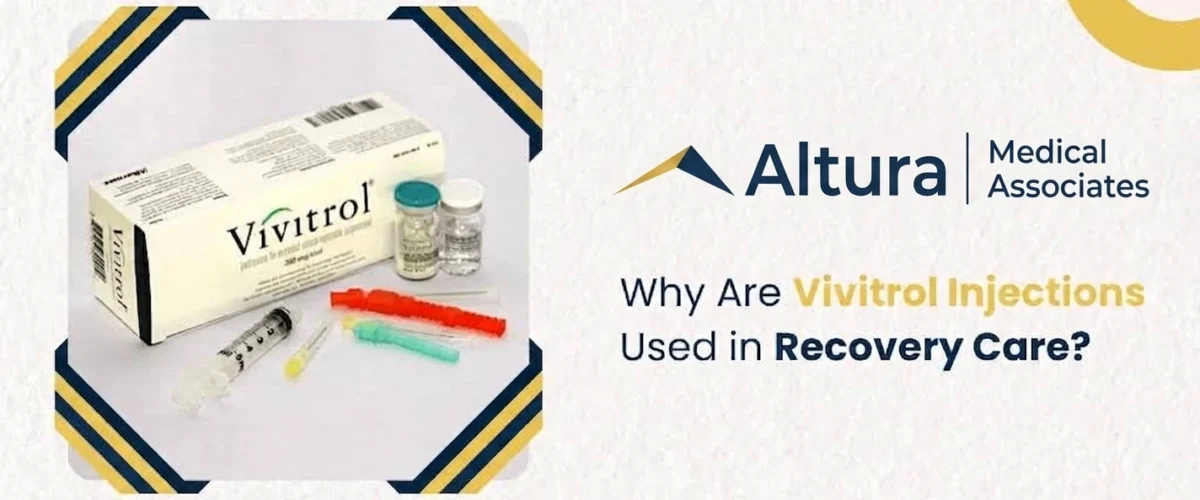
Why Are Vivitrol Injections Used in Recovery Care

Why Are Vivitrol Injections Used in Recovery Care?

Recovery from alcohol or opioid use can feel hard. Some days feel calm. Other days feel full of stress and strong urges. This is normal. Healing takes time, care and the right support.

One helpful tool in recovery care is the Vivitrol injection. It is used to remain on course as they strive to achieve a healthier lifestyle.

At Mar Y Sol Mental Health Experts, Vivitrol injections are part of the full recovery care plan that consists of medical treatment, counseling and emotional support.

Below, we will learn what Vivitrol is, how it works, and why it is used in recovery care.

‍ What Is Vivitrol?

Vivitrol is a medicine given as a shot. A doctor gives this shot once a month. It is used for people who want to stop using alcohol or opioids.

The primary action of Vivitrol is to counter the action of these substances. This implies that when an individual consumes alcohol or opioids, they cannot experience the same high or pleasure.

This assists the brain in becoming accustomed to life without the substance.

How Does Vivitrol Work?

Vivitrol functions within the mind. It blocks certain receptors. These receptors are like small locks and opioids or alcohol act like keys. When the key fits, the brain feels pleasure.

Vivitrol blocks the lock. So even if the key comes, it cannot work.

‍ Because of this:

  • The person feels less rewarded for using substances

  • Cravings become weaker over time

  • The risk of relapse can go down

This helps individuals remain focused on their recovery journey.

Why Are Vivitrol Injections Used in Recovery Care?

Recovery is not just about willpower; the body and brain also need support. Vivitrol assists this support in many ways:

1.    Reduces Cravings

Cravings can feel overwhelming and unpredictable. Vivitrol helps calm these urges, allowing people to focus on their recovery goals.

2.    Blocks Substance Effects

When an individual is on opioids or is taking alcohol but is on Vivitrol, the high will not be the same. This decreases the motivation to use substances and makes the brain develop healthier habits.

3.    Simple Once-Monthly Routine

Vivitrol is administered like an injection every month, and not just a daily pill. It becomes easier to be consistent with treatment and the burden of remembering every day medication is reduced.

4.    Supports Long-Term Recovery

The recovery process is not fast. Vivitrol helps stabilize healthy habits and a balanced life. It does this by reducing cravings and the urge to seek out substances.

How Often Is Vivitrol Given?

Vivitrol is given via injection once per month. This straightforward schedule can lessen worry and promote adherence to your care regimen.

Why a Monthly Shot Can Be Helpful?

Taking medication daily may prove to be difficult, particularly when life becomes hectic or stressful.

A shot given monthly alleviates this responsibility, letting individuals concentrate more on recovery and progress.

Are There Side Effects?

Like all medicines, Vivitrol can have some side effects. Most are mild.

Common Vivitrol side effects may include:

  • Pain at the injection site

  • Headache

  • Nausea

  • Feeling tired

Some people also ask about vivitrol side effects if you drink. Drinking on Vivitrol won’t get you high. However, it can still cause discomfort, nausea, or other unpleasant feelings. This is why it is safest to avoid alcohol during treatment.

Doctors always check patients closely to keep them safe and comfortable.

How to Get the Vivitrol Shot

The initial step involves consulting a certified healthcare professional. Vivitrol isn’t for everyone. So, a detailed medical exam is important.

At Mar Y Sol Mental Health Experts,we start with a complete assessment. This helps us understand your health, history and goals. If Vivitrol suits you, our team will help at every step. We provide injections in a safe, caring place. You’ll also get support to stay on track.

What Makes Vivitrol a Good Choice?

Many people choose Vivitrol because it is simple, effective and safe:

  • Only one shot per month

  • Not addictive

  • Reduces cravings

  • Blocks substance effects

  • Supports long-term recovery

It allows people to focus on life without constant struggle.

A Step toward a Better Life

Getting better is tough but possible. With the correct assistance, individuals can fix, flourish, and embrace healthier lives. Vivitrol helps people adapt to a healthy lifestyle. It supports the mind and body.

When paired with therapy, professional medical attention and emotional support, it has the potential to result in enduring transformation.

Take the Next Step with Support That Cares

If you or someone you value is managing alcohol or opioid recovery, resources are available.

Mar Y Sol Mental Health Experts provide caring, evidence-based support. We include Vivitrol injections in a complete recovery plan. Our team supports you from your first check-up to ongoing counseling and follow-up care.

Ready to learn about Vivitrol injections? Reach out today. A better, healthier future starts with this simple step.

FAQs

Is Vivitrol a controlled substance?

No. Vivitrol is not a controlled substance and it is non-habit forming and safe for many.

What does Vivitrol do for alcohol?

It decreases the desire to drink and decreases the reward reaction of the brain and making it easier to stay alcohol-free.

Can Vivitrol be used alone?

Vivitrol can be used together with a full care plan, which includes counseling and mental support to target the body and mind.

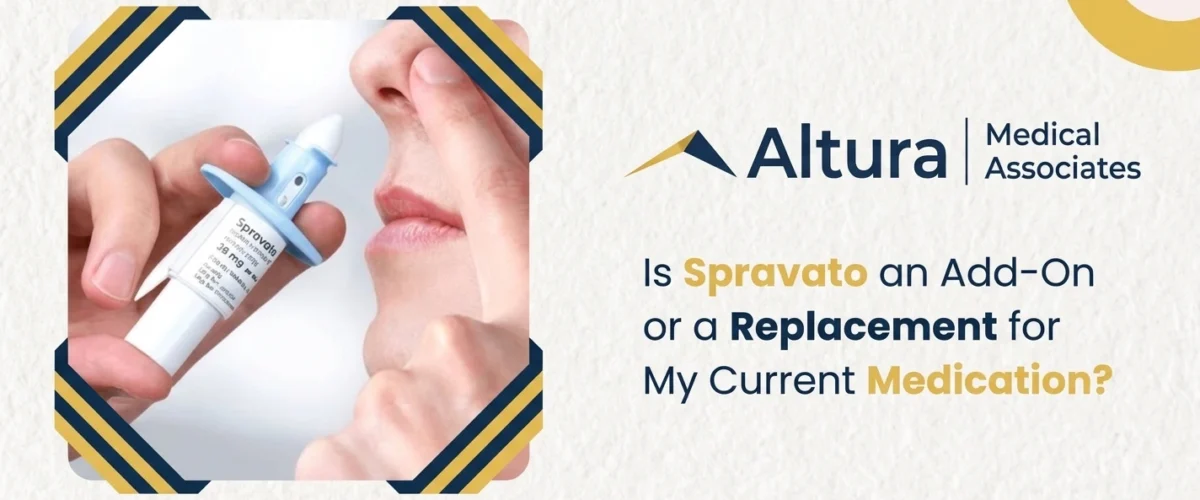
Is Spravato an Add On or a Replacement for My Current Medication

Is Spravato an Add-On or a Replacement for My Current Medication?

Living with depression can be burdensome. Some days can be particularly challenging. You might try one medication after another and still feel off. That can be exhausting and disheartening.

If your healthcare team has mentioned Spravato, you might be wondering:

Is Spravato an add-on or a replacement for my current medication?

At Altura Medical Associates, we provide Spravato as an FDA-approved solution for adults facing treatment-resistant depression.

Many individuals consider it a new treatment for panic attacks or severe mood issues when other treatments have failed. We aim to support you safely throughout the process.

Let’s clarify this.

What Is Spravato?

Spravato is a prescription nasal spray made with esketamine. It is used for adults with treatment-resistant depression, also called TRD. It may also be used for major depressive disorder with suicidal thoughts.

It is not a medicine you take at home on your own. It is given in a supervised clinic setting. A medical team watches you during and after the treatment. This is part of the safety process.

Spravato is different from many standard antidepressants. Some people feel relief after trying many other treatments that did not help enough. That is one reason it can be an important option.

Is Spravato an Add-On or a Replacement for My Current Medication?

An add-on treatment is a medicine that is used along with another medicine.

So, in most cases, if you already take an oral antidepressant, Spravato may be added to your plan.

This means you will likely continue taking your current antidepressant while Spravato is added to your care plan. The goal is to enhance results, not to immediately replace your existing medication.

For many individuals, the most effective approach involves combining treatments rather than switching abruptly.

While a replacement may happen later for some patients, it is not usually the first step. Any changes should always be made under the guidance of a qualified medical provider who understands your history and needs.

A replacement plan is not usually chosen just because a person wants to stop one medicine. It is a medical choice made with care.

Why The Answer Is Not the Same for Everyone

Depression is not the same for every person. Some people respond well to one medicine. Others need more support. Some have tried several medications and still feel stuck. Others may have strong side effects from past treatments.

‍That is why the answer to the add-on or replacement question is not the same for every patient.

Your care team will look at things like:

  • ‍How long have you had depression
  • Which medicines have you tried before
  • How well those medicines worked
  • Any side effects you had
  • Whether you have thoughts of self-harm
  • Your overall health and safety needs
  • Your daily life and support system

This full picture helps the team decide what makes the most sense for you.

Why Spravato Is Often Used as An Add-On

For many people, Spravato is used with another antidepressant instead of replacing it. This can help because each medicine works differently.

Your oral antidepressant may help with long-term mood control. Spravato may offer a different kind of support for symptoms that have not improved enough.

Using both may give your treatment plan a better chance to work.

This is especially helpful for people who have not found relief from standard treatments, including those exploring Spravato for anxiety or persistent stress-related symptoms.

‍When A Replacement May Be Talked About

‍A replacement plan may come up if your doctor feels your current medicine is not helping enough, or if it is causing problems.

For example, a replacement may be discussed if:

  • ‍Your current antidepressant is not working well
  • You have tried many medicines without enough relief
  • You have side effects that are hard to live with
  • Your doctor thinks a different plan would be safer or more helpful

Even then, the change should be guided by a trained medical team. Stopping one medicine too fast can cause problems. That is why any switch should be planned carefully.

At Altura Medical Associates, we take time to review your history and talk through the safest next step. We explain your treatment plan and make sure it meets your needs.

What Happens During Spravato Treatment?

Spravato is administered in a clinical setting, medical staff will manage your Spravato dosing to ensure you receive the correct amount.

After each session, you’ll remain under observation for a period of time, as the medication may cause temporary Spravato treatment side effects such as:

  • Dizziness
  • Sleepiness
  • A feeling of disconnection

This is one reason Spravato is not used independently at home. It requires medical supervision.

Altura Medical Associates stays with you throughout the process, ensuring your comfort and safety while closely monitoring your response to treatment.

How Altura Medical Associates Help

At Altura Medical Associates, we specialize in care for people facing treatment-resistant depression and major depressive disorder with suicidal thoughts.

Our goal is to create a safe and clinical space where you can explore whether Spravato is the right choice. We provide full evaluations to help decide if it should be used as an add-on to your current antidepressant or as a stand-alone option when appropriate.

‍We also support patients through every phase of care. That includes:

  • The first consultation
  • The induction phases
  • The maintenance phases
  • Ongoing medical supervision
  • A treatment plan built around your needs

We know that depression affects more than mood. It can touch energy, sleep, work, family life, and hope. That is why we focus on complete care, not just one medicine.

Questions To Ask Your Doctor

If you are thinking about Spravato, it helps to ask clear questions. You do not need to know everything before you begin. You only need to know what to ask.

You can ask:

  • Will I keep my current medicine?
  • Is Spravato an add-on for me?
  • Could it replace my medicine later?
  • What will I feel during treatment?
  • How often will I come in?
  • How will we know it is working?

These questions help you feel more ready.

The Bottom Line

So, is Spravato an add-on or a replacement for my current medication?

For most people, it is an add-on. It is used with your current antidepressant to help more.

For some people, it may later become part of a new plan. But that choice is made with care.

Your health, your story, and your needs all matter. You do not have to figure it out alone.

With medical supervision, close follow-up and the right support, Spravato may give you a new way forward.

At Altura Medical Associates, we are here to help you understand your options and guide you with care.

If you are thinking about Spravato, reach out today. A better plan may be closer than you think. Take the first step. We will walk with you.

FAQs

Is Spravato a controlled substance?

Yes, Spravato is a controlled substance. It is only given in a clinic under supervision. This helps make sure it is used safely.

Is Spravato safe for long-term use?

Spravato is approved for use under medical care. Altura Medical Associates will check on you often to keep you safe.

Will Spravato cure my depression?

Spravato helps manage symptoms. It may not cure depression, but it can help you feel better as part of your care plan.

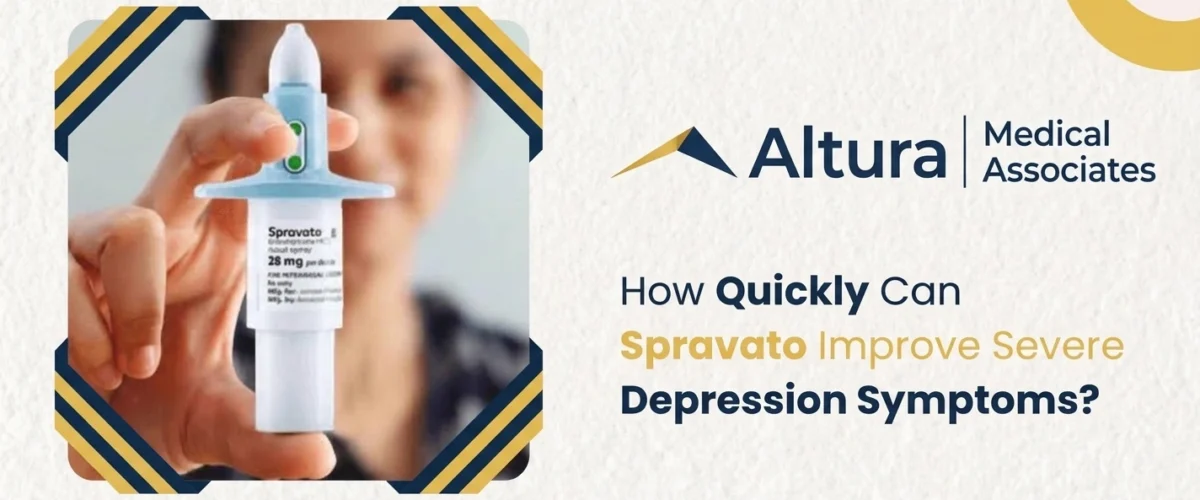
How Quickly Can Spravato Improve Severe Depression Symptoms

How Quickly Can Spravato Improve Severe Depression Symptoms?

Severe depression can make even simple daily tasks feel overwhelming. For some people, standard antidepressants do not provide enough relief. This condition is known as treatment-resistant depression.

When this happens, doctors may recommend a newer option called Spravato.

At Altura Medical Associates, Spravato is administered in a safe, calm setting. At Altura Medical Associates, Spravato is administered in a safe, calm setting, where our trained staff monitor your blood pressure and vital signs and ensure all safety protocols are followed throughout your visit.

One of the most common and important questions people ask is:
How quickly can Spravato improve severe depression symptoms?

‍Here’s what you need to know.

What Is Spravato?

Spravato is a nasal spray for adults. It treats treatment-resistant depression and, in some cases, major depressive disorder.

The U.S. Food and Drug Administration approved it. This indicates that specialists have evaluated its safety and efficacy when administered under a doctor’s supervision.

‍As opposed to the conventional antidepressants, which act on serotonin neurotransmission in the brain, Spravato acts on glutamate neurotransmission.

This system is important for the communication and establishment of new connections in brain cells.

Due to this other mechanism, Spravato could assist in the quicker alleviation of symptoms compared to most other treatments.

‍How Quickly Can Spravato Improve Severe Depression Symptoms?

This is one of the most critical factors to be considered when one is seeking treatment options. Spravato has the potential to be used more quickly than most traditional antidepressants.

‍First Few Hours

Some patients report noticeable changes within hours of their first dose. These may include:

  • ‍A sense of emotional lightness
  • Reduced mental or emotional heaviness
  • A feeling of calm or relief

While this is not a full recovery, any initial progress may be a substantial hope.

First Few Days

Many people begin to notice meaningful changes within a few days, such as:

  • Reduced the intensity of negative thoughts
  • Mild mood improvement
  • Greater emotional balance

This is much quicker than the conventional antidepressants, which may take several weeks to take effect.

First Few Weeks

Over the following weeks, benefits may continue to build:

  • Increased energy
  • Improved motivation
  • Better ability to manage daily responsibilities

Response times vary. Some people improve quickly, while others see gradual progress over time.

Why Does Spravato Work Faster?

  • Spravato helps the brain build new connections.
  • In depression, brain connections may not work well.
  • Spravato helps fix this problem.
  • Better brain connections can help you feel better sooner.

What Happens During Treatment?

‍At Altura Medical Associates, care and safety come first.

Here is what a visit looks like:

Before Treatment

‍You meet with a healthcare provider. We check your health and mood. We make sure it is safe for you to take Spravato.

‍During Treatment

You’ll sit in a comfortable, calming space and self-administer the nasal spray under guidance. Afterward, you’ll relax while our staff monitor your blood pressure and vital signs and ensure all required safety protocols are followed, as the medication can cause drowsiness or dizziness.

‍After Treatment

You stay for about two hours. Our team checks your blood pressure and how you feel.

You will need someone to take you home. You should not drive until the next day.

Who Is Spravato For?

‍Spravato may be recommended for adults who:

  • Have tried multiple antidepressants without success
  • Are experiencing severe depression
  • Need faster symptom relief
  • You’re taking antidepressants but still feel depressed.

It is administered with an oral antidepressant in most situations, but again, a few patients can be left to take it alone with medical supervision.

How Often Do You Take Spravato?

Treatment typically begins with two sessions per week.

After a few weeks, the schedule may change to once a week. Later, it may be once every two weeks.

Your doctor will adjust the plan based on how you feel.

‍How Often Do You Take Spravato?

‍Treatment usually starts with two sessions per week for the first 4 weeks. After that, it transitions to once a week, and later to once every two weeks depending on your progress.

Your provider will adjust the schedule based on how you respond to treatment.

What Improvements Can You Expect?

Spravato does not work the same for everyone. But many people report:

  • Feeling less sad
  • Having fewer negative thoughts
  • Better sleep
  • More interest in daily life
  • More energy

Some people feel quick relief. Others notice slow but steady changes.

We aim to decrease the symptoms and quality of life.

‍Are There Side Effects?

Like all medications, Spravato can cause side effects.

Common Side Effects

  • Drowsiness
  • Dizziness
  • Nausea
  • Feeling disconnected or “out of body”

These effects usually occur shortly after treatment and often resolve the same day.

‍Potential Risks

  • ‍Temporary increase in blood pressure
  • Possible worsening of symptoms in some individuals

Because of these risks, treatment is always done under medical supervision

Why Is Supervision Important?

Spravato is not taken at home. It must be given in a clinic.

This is because:

  • It can affect alertness
  • It may raise blood pressure
  • You may feel different for a short time

The presence of trained professionals keeps you away.

It also supports you whenever you are uncertain or uneasy.

How Do Doctors Track Progress?

Your care team will check:

  • Your mood
  • Your thoughts
  • Your sleep
  • Your energy levels

They may ask simple questions at each visit. This helps them see how well the treatment is working.

If needed, they can adjust your plan.

What Makes Altura Medical Associates Different?

‍Altura Medical Associates focus on caring for the whole person.

We offer:

  • ‍Therapy
  • Medication management
  • Counseling services
  • Specialized treatments such as Spravato

Our team works across multiple states and supports individuals of all ages. We focus not only on treatment but also on listening, guiding and supporting each patient throughout their journey.

‍With Spravato, we provide a calm and supervised environment where patients can feel safe while receiving care.

Is Spravato Right for You?

Spravato may be a good choice if:

  • Other treatments did not help enough
  • Your depression feels severe
  • You need faster relief

It is not the first step for everyone. A doctor will review your history and symptoms.

They will help you determine whether this option meets your needs.

What Should You Expect Emotionally?

Starting a new treatment can bring many feelings.

You may feel:

  • Hope
  • Fear
  • Curiosity
  • Uncertainty

This is normal.

Some people feel better quickly. Others need more time. Try to stay patient with the process.

Having a caring team, like the one at Altura Medical Associates, can make this journey easier.

Tips For Getting the Most Out of Treatment

Here are simple tips:

  • Go to all your sessions
  • Be honest about how you feel
  • Rest after treatment
  • Follow your doctor’s advice
  • Ask questions if you are unsure

Small steps can help a lot.

Final Thoughts

Spravato provides new hope to severely depressed people. One of its biggest benefits is how quickly it can start to work.

Some individuals experience changes in a few hours. Many notice improvement in days or weeks.

Still, it is not a magic fix. Continuous attention and help are significant.

At Altura Medical Associates, the treatment given to the patients is safe and guided by a loving team. We are concerned with quick and long-term relief and wellness.

If you or someone you care about has depression, call us to learn about Spravato for your mental health treatment. Reach us at (203) 456-6989.

‍FAQs

Are the results long-lasting?

A long-term treatment and follow-up treatment can provide lasting relief. Constant surveillance is effective in ensuring stability.

Is Spravato taken at home?

‍No. A professional should supervise its use in a qualified healthcare facility to ensure safety.

Is spravato cover by insurance?

YES, Most major insurance plans DO cover Spravato — it requires prior authorization and medical necessity.

Spotting Anger Issues in Teens That Scream Therapy

Spotting Anger Issues in Teens That Scream Therapy

Teen anger is not always “just attitude.”

In some instances, it is a scream for help that the adults do not listen to.

Behind the slammed doors, cruel words and unexpected outbursts, a teenager might be in a struggle between fear, sadness, pressure and pain. Many parents feel confused. They wonder whether this behavior is normal while growing up or a warning sign of something deeper.

Knowing when anger becomes a mental health issue can safeguard a teen’s future. When the right help arrives at the right moment, emotional storms can become strong life lessons. They also build personal strength.

Altura Medical Associates specializes in offering child and teen psychiatric care to diagnose, assess, and treat anger and emotional issues in teenagers.

Below, we will help you recognize serious anger issues in teens and understand when therapy becomes not just helpful but necessary.

When Teen Anger Stops Being Normal

Every teenager is frustrated occasionally. Hormonal changes, academic stress and social challenges can make emotions feel intense. A bad day, a fight with friends, or a school setback can lead to quick anger.

But when it starts to control daily life, then anger becomes alarming.

However, anger becomes concerning when it starts to control daily life.

For example:

  • A teen begins shouting or breaking things during small disagreements.
  • Simple conversations quickly turn into heated conflicts.
  • Emotional reactions feel explosive and unpredictable.

These patterns demonstrate that anger is no longer a sudden feeling. It can show an emotional load that needs professional help.

Warning Signs Your Teen Needs Therapy

Some behaviors clearly indicate deeper struggles. Caregivers and parents are advised to alert themselves when a teen exhibits recurrent behavior that includes:

  • Aggression toward relatives or schoolmates
  • Language that expresses threats or discusses self-harm or harm to others
  • Destroying personal possessions in a state of anger
  • Isolation following emotional outbursts
  • Extreme mood swings that disrupt school or social life
  • Loss of motivation, interest, or personal goals

A teen who used to laugh at dinner but now stays in their room might be showing emotional distress. If they respond with anger to basic inquiries, it’s more than a matter of discipline.

‍Understanding Hidden Causes of Teen Anger

Anger often masks deeper emotional struggles. Many teens struggle to express vulnerability and use frustration as a shield. Common underlying causes include:

  • Anxiety and Constant Pressure

Internal tension can be generated by the fear of failure, social comparison and uncertainty about the future. This is a stress that can burst even in the most secure of places, the home.

  • Depression in Disguise

Teen depression is not necessarily manifested in sadness. It can appear as irritability, boredom, or emotional numbness. Anger serves as a defense mechanism against hopelessness.

  • Trauma and Unresolved Hurt

Bullying, family crisis, grief, or historical emotional injuries can be silently in the mind of a teen. These experiences gradually influence the reactions to stress and relationships in the long run.

  • Social Media Stress and Identity Struggles

Online criticism, unrealistic expectations and peer pressure may destroy self-esteem. Teenagers may respond with anger to judgment, rejection, or dismissal.

When families find these factors, they can move past punishments. This allows them to embrace knowledge.

‍Altura Medical Associates study these causes. We create care plans for each teen. Each plan fits their needs.

Why Professional Evaluation Can Change Everything

A psychiatric or psychological evaluation uncovers the real story behind your teen’s emotional behavior. Mental health professionals assess mood patterns, attention challenges, social experiences and family dynamics.

At Altura Medical Associates, we use gentle methods to evaluate your teen’s mental health. This includes structured assessments and caring conversations. This clarity allows families to move from blame to effective, targeted treatment.

Therapy Tools That Help Teens Regain Emotional Control

‍Behavioral and cognitive therapies teach teens approaches to control anger safely. These strategies focus on practical life skills, like:

  • Pausing and breathing before reacting
  • Identifying emotional triggers
  • Communicating needs without aggression
  • Building daily routines that reduce stress
  • Practicing problem-solving strategies

As an example, A teenager can learn to pause during an argument, do grounding exercises and then continue the conversation. The habits make emotional endurance strong over time.

Altura Medical Associates involve parents in the process. When parents model patience and emotional regulation, teens feel supported rather than judged.

‍When Medication May Be Helpful

In certain cases, medication may reduce severe mood instability, impulsivity, or attention difficulties.

At Altura Medical Associates, medications are strictly observed and are a part of an overall care plan which also entails therapy, lifestyle changes and family support.

Long-Term Benefits of Early Mental Health Support

Addressing anger issues early can shape a teen’s entire future. Timely treatment may lead to:

  • Improved academic focus and performance
  • Healthier friendships and communication skills
  • Stronger confidence and self-awareness
  • Reduced risk of substance misuse or risky decisions
  • Better stress management in adulthood

Learning emotional regulation during teenage years builds a foundation for lifelong stability and success.

The Role of Schools and Communities

Coaches, mentors, and teachers are also an essential part. It may be beneficial to see how people act beyond the house and derive other information.

Schools may partner with families and mental health professionals to provide conducive settings and avoid a spiral.

‍Teens with anger issues can benefit from community programs. These programs focus on social-emotional learning, stress management, and peer support.

‍How Families Can Become a Safe Emotional Anchor

Home is where healing continues every day. Families can help by:

  • Listening calmly, even during conflict
  • Setting clear but respectful expectations
  • Encouraging healthy routines like sleep and exercise
  • Spending distraction-free time together
  • Celebrating progress, not just mistakes

When a teenager feels emotionally secure at home, they can embrace guidance and therapy.

Altura Medical Associates educate families to become active partners in mental wellness.

Take Action Before Anger Becomes Crisis

‍If your teen’s anger feels intense, frequent, or harmful, do not wait for the situation to worsen. Seeking mental health support early can prevent long-term emotional and behavioral difficulties.

Therapy and psychiatric support can help your teen think clearly, cope better and feel more confident in life.

Altura Medical Associates provides psychiatric services for kids and teens. These services aim to support emotional wellness during important developmental years.

Reach out today to schedule a confidential evaluation.

Taking the first step today may be the decision that protects your child’s happiness and future.

FAQs

Can ADHD cause anger in teens?

Yes. Teens with ADHD may feel frustrated and lose control quickly. Therapy can help.

‍Is anger normal in puberty?

Some mood changes are normal. But repeated or violent anger may be a warning sign.

‍What if my teen does not want therapy?

Stay patient. Explain that therapy is a safe place to learn, not a punishment. Family sessions can be a good first step.

Why Depression Drains Your Mental and Physical Strength

Why Depression Drains Your Mental and Physical Strength

Depression is often misunderstood as simple sadness. In an actual sense, it is a complicated mental illness that may influence the mind and the body. Depressed individuals are always tired despite having sufficient sleep. A once easy task can become a burden.

‍Some individuals begin to wonder, “Am I depressed or just tired?” This question is very common. Everyone experiences tiredness after a hectic day, but when the feeling of tiredness lasts weeks and is accompanied by emotional trauma, it could be associated with depression.

Altura Medical Associates provides depression therapy. We help people understand their symptoms and recover with proper support.

Understanding why depression drains both mental and physical energy can help people recognize symptoms early and seek the help they need.

Understanding Depression and Its Deep Impact

Depression changes the functioning of the brain. It influences emotions, thoughts, behavior and energy levels. A lot of depressed individuals undergo prolonged bouts of depression or emptiness. They can lose interest in the things they once loved to do.

‍Depression may manifest itself in a wide range of ways that include:

• Major depressive disorder

• Persistent major depressive disorder.

• Bipolar disorder

• Seasonal affective disorder

• Postpartum depression

• Atypical depression

Each type of depression may show different symptoms. However, one common experience remains the same. People often feel drained mentally and physically.

‍Depression can slowly reduce motivation, concentration and stamina. This is why many people feel like their mind and body are both running out of energy.

‍Why Depression Drains Mental Strength

The brain is constantly at work in assisting us to think, problem-solving, retention of information and control of emotions. Depression places an additional burden on these mental functions.

A depressed person has the possibility of the brain failing to coordinate mood and thoughts. Many individuals face a condition often described as “brain fog.”

‍This can make it difficult to:

‍● Focus on tasks

● Follow conversations

● Remember important details

● Make decisions

‍Depression also fills the mind with negative thought patterns. Individuals may repeatedly think things such as:

‍● “I’m not good enough.”

● “Nothing will get better.”

● “I’m failing.”

These repetitive thoughts drain mental energy and overwhelm the brain with emotions, worries and self-criticism.

Over time, this constant mental struggle leads to mental exhaustion.

Common signs of mental exhaustion include:

● Trouble concentrating

● Forgetfulness

● Slow thinking

● Feeling overwhelmed by small tasks

● Loss of motivation

‍When mental strength is drained, daily life may begin to feel extremely challenging.

Why Depression Drains Physical Strength

Depression does not only affect emotions and thoughts—it also affects the body. The brain and body are closely connected, so when the brain struggles to regulate mood, the body can respond with physical symptoms.

‍One of the most common symptoms of depression is persistent fatigue. This exhaustion is different from normal tiredness and may continue even after sleeping or resting. Many people feel physically drained, weak, or unmotivated to complete everyday tasks.

‍This happens because depression can affect several biological systems, including neurotransmitters, sleep regulation, hormones, and the body’s stress response. When these systems are disrupted, the body may struggle to produce and maintain normal levels of energy.

‍Recognizing that depression can affect both the mind and the body is important. With proper treatment and support, many people can regain their emotional balance and physical energy.

‍Sleep disturbances are also common in depression. Some people may experience sleeping too much, difficulty falling asleep, or frequent waking during the night. Poor sleep quality reduces the body’s ability to restore energy. In addition, lack of sleep can increase cortisol levels, the body’s primary stress hormone, which can further worsen fatigue and mood symptoms.

‍Depression can also affect appetite. Some individuals lose interest in food, while others eat more than usual in an attempt to improve their mood. Changes in nutrition can create imbalances in the body and contribute to low energy levels.

‍A lack of motivation may also lead to decreased physical activity. When people move less, muscles can become stiff and weak over time, which may further reduce physical strength and overall energy.

‍Physical symptoms of depression may include:

‍· Low energy levels

· Body aches or headaches

· Changes in sleep patterns

· Appetite changes

· Slower physical movement

· Changes in weight

‍These symptoms highlight an important truth: depression is both a mental and physical condition.

‍How Therapy Restores Mental Strength

‍Professional psychotherapy is an opportunity to discuss feelings and learn healthier coping strategies. At Altura Medical Associates, therapy looks at the whole person. It includes mental health, physical health and emotions.

‍Therapy options include:

• Cognitive Behavioral Therapy (CBT)

• Humanistic therapy

• Family therapy

• Group therapy

‍These approaches teach individuals how to manage negative thoughts, build positive habits and feel less alone. Group sessions, in particular, offer connection and understanding.

‍How Treatment Helps Restore Physical Energy

‍Depression treatment does not only focus on emotional healing. It also helps restore the body’s energy levels.

‍At Altura Medical Associates, treatment plans may include:

‍• Individual psychotherapy sessions

• Support groups

• Self-help strategies and coping techniques

• Medication when necessary

‍For some patients, doctors may also consider medication adjustments or augmentation strategies as part of the treatment plan to address severe fatigue related to depression.

‍Certain medications can help improve alertness, concentration, and overall energy levels when depressive symptoms significantly impact daily functioning.

‍Combining these approaches with therapy, lifestyle changes, and proper sleep habits often leads to better long-term recovery.

‍Why Do Antidepressants Sometimes Cause Tiredness?

‍Antidepressants work by helping balance important brain chemicals such as serotonin and norepinephrine, which play a key role in mood, sleep, and overall well-being. When starting a new medication, some people may temporarily feel a bit more tired or drowsy as the body adjusts.

This can happen because certain medications affect serotonin and histamine receptors, which are involved in sleep regulation. In most cases, the body gradually adapts over several weeks, and many patients begin to feel improvements in mood, focus, and energy.

Different antidepressants affect people in different ways. Some may feel calmer, while others can help increase motivation and energy. Physicians monitor how each patient responds and can adjust the medication if needed to find the best balance for overall well-being.

How to Get Out of a Depression Slump?

Depression can feel like a heavy cloud around you. Simple daily tasks can help create momentum:

· Move a little each day

· Write down thoughts or feelings

· Talk to a friend or therapist

· Practice brief mindfulness exercises

· Establish a routine

‍Over time, these steps restore mental strength and help with finding motivation when depressed.

Addressing Stigma and Environmental Factors

Despite increased awareness, the stigma has been an obstacle. Most are afraid to seek assistance because of the fear of being judged. Stressful situations can make depression worse. A tough job or no social support can add to the problem.

Support from communities and open conversations helps reduce stigma with depression. They also promote mental health care.

Getting Help Can Change Everything

Depression can make life feel exhausting, but it is curable. With the right support, people can be restored both mentally and physically.

At Altura Medical Associates, professional therapy helps you regain control of your life. Reaching out is a strong initial step that will make us feel stronger and more connected.

FAQs

What does depression chest pain feel like?

Depression may trigger tightness of the chest, heaviness, or dull ache. Discuss with a doctor to eliminate heart issues when discussing depression.

Does depression affect physical strength directly?

Yes. Inactivity, hormonal changes and metabolic changes can lower muscle weakness and endurance.

Is Occasional Substance Use a Cause for Concern

Is Occasional Substance Use a Cause for Concern?

Many people ask this question. If someone drinks once in a while or tries a drug at a party, is that a big problem? Or is it normal?

The answer is not always simple. Sometimes, occasional use may not turn into a serious issue.

But sometimes it can slowly grow into something harmful. It depends on the person, the reason and the pattern.

Altura Medical Associates help people who struggle with substances and feelings. We work in Connecticut, Florida, New York and Nebraska.

Let’s talk about it.

What Is Occasional Substance Use?

Occasional use involves the occasional consumption of alcohol or drugs. It can take place during a party, a holiday, or a stressful time. The person may say, “I only do it sometimes.”

For some people, it stays that way. For others, it does not.

The concern begins when use becomes a habit. It can also become a concern if the person starts using it to deal with feelings like sadness, anger, stress, or fear.

When Should You Be Concerned?

Occasional use can become a problem when:

  • Use more than planned
  • Want to stop but cannot
  • Used to hide feelings like sadness or fear
  • Skip work or school because of use
  • People at home feel worried

If you notice these signs, it may be time to pause and look deeper.

‍ Why Do People Use Substances?

People use substances for many reasons.

  • Some want to fit in with friends
  • Some want to forget pain
  • Some feel lonely
  • Some feel bored
  • Some feel very sad or stressed

When someone uses a substance to cope with feelings, it can slowly turn into dependence. The brain starts to connect relief with that substance. Over time, the person may feel they cannot manage without it.

‍Can Occasional Use Turn into Addiction?

‍ Yes, it can.

‍Not everyone who uses occasionally becomes addicted. But many people who struggle with addiction started with occasional use.

Addiction does not happen overnight. It grows step by step. At first, it may feel like a choice. Later, it may feel like a need.

‍ This is why early awareness is so important.

The Emotional Side of Substance Use

‍ Substance use is often connected to emotions.

If someone feels stuck in life, very unhappy, or unable to move forward, they may seek quick relief. A drink or drug is an easy answer.

But the relief is short. After the effect wears off, the original problem remains. Sometimes it feels even worse.

‍Over time, this cycle can affect:

  • Mental health
  • Physical health
  • Family relationships
  • Work or school life
  • Self-esteem

That is when occasional use becomes a deeper concern.

‍Who is at Higher Risk?

‍ Some people are more at risk of harm from occasional use. This includes people who:

  • Have a family history of addiction.
  • Have had trouble with substances before.
  • Have a big stress or trauma.
  • Take medicines that mix with alcohol or drugs.

If this fits you, you should pay close attention to your use.

How Treatment Helps

‍Substance Use Disorder Treatment at Altura Medical Associates uses a caring and complete approach.

‍ Each person begins with a full mental health assessment. This helps the team understand:

  • ‍Substance use patterns
  • Emotional triggers
  • Mental health symptoms
  • Personal goals

From there, an individualized treatment plan is created.

Treatment may include:

  • Talk therapy
  • Counseling
  • Medication when needed
  • Healthy coping skills
  • Support for emotional healing

‍The goal is not just to stop substance use. The goal is to help the person feel better inside.

At Altura Medical Associates, care is built on understanding and compassion. Our team provides outpatient mental health care for children, teens and adults.

If you or someone you love is struggling with occasional substance use that feels like it may be growing, support is available.

‍Why Early Support Matters

Waiting too long can make recovery harder. When support begins early, the chances of long-term healing improve.

‍Research shows that people recover better when they feel supported and understood. A strong relationship between the client and provider builds trust. When someone feels safe, they can speak honestly.

‍This safe space allows people to explore:

  • ‍What triggers their use
  • What feelings do they avoid
  • What healthier choices can they make

There is no judgment. There is only care and guidance.

‍Questions to Ask Yourself

If you are unsure whether occasional use is a concern, ask yourself:

  • Do I use it to escape feelings?
  • Has my use increased over time?
  • Do I feel uncomfortable when I do not use it?
  • Has someone close to me expressed concern?
  • Is it affecting my work, school, or relationships?

If you answer yes to any of these questions, it may be helpful to talk to a professional.

A Path Toward Healing

At Altura Medical Associates, the focus is on long-term recovery and emotional well-being. The team works closely with each client to build coping skills that replace unhealthy habits.

Instead of using substances to manage pain, clients learn how to:

  • Handle stress in healthy ways
  • Improve communication
  • Strengthen relationships
  • Build self-confidence
  • Set realistic goals

Healing takes time. But with the right support, change is possible.

‍ Final Thoughts

Occasional substance use is not always a big problem. But it can turn into one. Trust your gut. If you are concerned, then seek assistance. A kind talk with a doctor or counselor can make a big difference.

If substance use issue in yourself or some relative, Altura Medical Associates will assist.

We offer careful checks, therapy and medicine when needed. We work with people of all ages. You do not need to do this yourself.

Reach out to find a caring plan that fits you.

FAQs

Is treatment only for severe cases?

No. Treatment can help at any stage. Early care often leads to better outcomes.

What if family members are concerned, but the person disagrees?

‍ Family concerns should not be ignored. Sometimes others notice changes before the individual does. Open conversations and a professional assessment help clarify whether there is a real risk.

What Are the Most Common Substances That Lead to Addiction

What Are the Most Common Substances That Lead to Addiction?

Addiction often begins quietly. It can start small. A drink after work. A pill for pain. A vape with friends. Initially, it seems like a choice. But over time, the body and mind begin to depend on the substance.

Knowing which substances commonly lead to addiction helps families spot risks early and seek support before things worsen.

At Altura Medical Associates, we offer compassionate Addiction & Recovery Services to support individuals and families on their healing journeys.

Below, we explain the most common substances that lead to addiction.

What Is Addiction?

Addiction is a medical condition in which a person continues using a substance even when it harms their life. Cravings and loss of control are common. With treatment and support, recovery is possible.

Common Substances That Lead to Addiction

Alcohol Addiction

Alcohol is legal and easy to find. Many individuals consume alcohol during parties or other family occasions. Some people drink to relax. Others drink to forget their problems.

Over time, the brain gets used to alcohol. People might need an extra drink to feel the same effect. This is called tolerance. Soon, they may feel sick, shaky, or upset when they do not drink. This is called withdrawal.

Signs of alcohol addiction include:

  • Drinking every day
  • Hiding alcohol use
  • Missing work or school
  • Getting angry when someone talks about drinking

Alcohol addiction may damage the liver, heart, and brain. It is also damaging to the relationships. Through treatment and encouragement, recovery is possible.

Opioid Addiction

Opioids are strong pain medicines. Physicians can prescribe them postoperatively or postinjury. Common opioids include prescription pain pills and illegal drugs like heroin.

Opioids alter the sensory perception of the brain. They also cause powerful sensations of enjoyment. This causes them to be highly addictive.

Signs of opioid misuse:

  • Taking more than prescribed
  • Cravings for the medication
  • Excessive sleep or fatigue

Opioid misuse can lead to overdose. Early treatment saves lives.

Our care programs offer therapy and medical care to ensure that the individuals can safely quit their opioid use and restart their lives.

Stimulant Addiction

Stimulants accelerate the brain and the body. Some are prescribed for ADHD. Others, like cocaine or methamphetamine, are illegal drugs.

These drugs can render an individual energetic. They can be cheerful, mighty, or awake. After the high fades, they feel tired. They can also feel sad or angry.

Signs of stimulant addiction include:

  • Not sleeping for long periods
  • Rapid speech
  • Weight loss
  • Mood swings

Stimulants can damage the heart and brain. They can also lead to anxiety or paranoia.

Sedative and Tranquilizer Addiction

Sedatives help people sleep or reduce anxiety. Medical professionals may prescribe them short durations. These include:

  • Sleeping pills
  • Anti-anxiety medications

When used for a long time, the body can become dependent. A person may feel they cannot sleep or relax without the drug.

Warning signs:

  • Higher doses than prescribed
  • Mixing with alcohol
  • Memory problems

Stop sedatives under medical supervision.

Nicotine Addiction

Nicotine is found in cigarettes, cigars, and vapes. It is one of the most common addictions in the world.

It reaches the brain quickly and creates a short feeling of pleasure. Soon, the brain wants more.

People addicted to nicotine may:

  • Smoke soon after waking
  • Try to quit but fail
  • Feel restless without it
  • Spend a lot of money on tobacco

Nicotine harms the lungs and heart. It increases the risk of cancer. Counseling and support groups can help people quit for good.

Marijuana Misuse

Some people believe marijuana is harmless. While it may be legal in some places, it can still lead to misuse.

Heavy use can affect memory and motivation. Some people feel anxious or paranoid after using it.

Signs of marijuana misuse include:

  • Using daily
  • Needing it to relax
  • Trouble with school or work
  • Losing interest in hobbies

Therapy helps people understand why they use marijuana and how to cope without it.

Multiple Substance Use

Many people do not use just one substance. They can combine alcohol with pills. They can take stimulants during the day and tranquilizers at night. This is referred to as polysubstance use. It increases health risks. It also complicates treatment.

We develop an individual treatment plan to cover the entire substance involved. Each person’s story is different. Care should match their needs.

Why Do These Substances Lead to Addiction?

All addictive substances affect the brain’s reward system. They release chemicals that make a person feel good. The brain remembers this feeling. It wants it again.

Over time:

  • The brain needs more of the substance
  • Natural joy feels weaker
  • Cravings grow stronger

Addiction is not a moral failure. It is a health condition. With the right support, change is possible.

How We Treat Substance Use Disorders

At Altura Medical Associates, we provide outpatient mental health care designed to support lasting recovery. We serve children, adolescents and adults in Connecticut, Florida, New York, and Nebraska.

Our approach combines therapy, counseling and medical support.

We assess each person’s needs and create a personalized plan.

Evidence-based therapies that we utilize include:

  • Cognitive Behavioral Therapy
  • Motivational Interviewing
  • Family Therapy
  • Group Therapy

These therapies help people know the reasons why they consume substances. They are taught to cope with cravings, deal with stress, and repair relationships.

For some clients, medication may be part of treatment. It may also decrease cravings and alleviate withdrawal symptoms when used correctly.

Recovery is based on a good therapeutic relationship. We collaborate with every client to build trust and promote growth.

When to Seek Help for Addiction

You may need assistance if you or a loved one:

  • Feels unable to stop using
  • Neglects responsibilities
  • Experiences strong cravings
  • Feels depressed or anxious due to substance use
  • Struggles at work or school

Early support improves outcomes. Treatment can restore hope.

If you or a family member is in a mental health crisis, please call 911 or go to the nearest emergency room.

A Healthier Future Is Possible

Addiction can happen to anyone. It is treatable. With care, people can feel better and rebuild their lives.

If you want help, have questions about our treatment plans, or want to learn more about our services, contact Altura Medical Associates, we are here to help.

FAQs

Is addiction a choice?

The first use may be a choice, but addiction alters brain function and turns into a medical condition.

Can teenagers develop addiction?

Yes, teens are at risk due to their developing brains. Early treatment can prevent long-term issues.

Is Outpatient Care Effective for Alcohol or Drug Use Disorder

Is Outpatient Care Effective for Alcohol or Drug Use Disorder?

Substance use disorders can affect many areas of a person’s life, including their health, relationships, work, and day-to-day functioning.

Seeking assistance is a good idea, but not everyone should be admitted to a hospital or rehab facility.

Many people wonder whether outpatient treatment is effective for individuals seeking recovery from a substance use disorder.

Outpatient care provides a flexible treatment option where individuals can receive therapy, counseling, and medical support without leaving their homes, provided that this level of care is deemed safe and appropriate based on their clinical assessment.

Altura Medical Associates provides outpatient treatment programs for individuals seeking recovery from alcohol and drug use disorders, offering flexible and evidence-based care close to home.

Let’s explore it.

What Is Outpatient Substance Use Treatment?

Outpatient substance use treatment refers to visiting therapy and medical visits without staying overnight. It helps individuals build recovery skills while continuing to live at home and navigate real-life situations.

Altura Medical Associates’ outpatient program system incorporates:

· Medication-assisted treatment (MAT)

· Individual and group therapy

· Trauma-informed care

· Ongoing psychiatric support

Outpatient treatment works well for patients who are ready to change. It helps those committed to staying on track with their lives while getting care.

Is Outpatient Care Effective?

Yes, outpatient care can be highly effective.

Studies and practical experience indicate that individuals can achieve long-term recovery by regularly attending outpatient programs. The only way to be successful is to commit, support and have a plan.

Outpatient treatment is especially appropriate for patients with:

· A safe home environment

· Positive family or social network.

· Mild to moderate substance use disorder

Patients are taught how to cope with triggers, handle cravings and develop healthy practices. Outpatient care may be equally helpful as inpatient treatment when supplemented by professional advice, therapy and, in some cases, medication.

How Outpatient Care Helps

Outpatient care addresses both physical and mental health. At Altura Medical Associates, we focus on three key areas:

1. Medical Support

Alcohol or drug use disorder changes brain chemistry and medication can play a crucial role in recovery. Medication-Assisted Treatment (MAT) combines medicine with therapy to:

  • Reduce cravings
  • Prevent withdrawal symptoms
  • Lower the risk of relapse
  • Support emotional balance

Common medications:

  • For opioids: Suboxone, Sublocade, Vivitrol
  • For alcohol: Naltrexone, Campral, Antabuse

These medications are most effective when paired with therapy and ongoing professional care.

2. Therapy and Counseling

Alcohol or drug use disorder often coexists with stress, trauma, anxiety or depression. Therapy helps patients:

  • Understand triggers behind substance use
  • Learn healthy coping strategies
  • Build positive daily habits
  • Repair relationships
  • Set achievable goals

A feeling of support and being listened to enhances the process of recovery and a higher likelihood of success in the long term.

3. Trauma-Informed and Psychiatric Support

Because many people with substance use disorders also live with mental health conditions, our outpatient programs treat both simultaneously, strengthening long-term recovery and reducing relapse risk.

Who Benefits from Outpatient Care?

Outpatient care is ideal for:

  • Individuals with mild to moderate substance use disorders
  • People who have a stable home environment and supportive family or friends
  • Those who need flexible treatment options because of work, school, or caregiving responsibilities
  • Individuals who have completed inpatient or residential treatment and benefit from continued support in their daily lives

In cases of severe substance use disorders or serious health complications, inpatient care may be necessary first.

After stabilization, outpatient treatment provides ongoing therapy, medication monitoring, and structured support to sustain long-term recovery.

What Happens at the First Visit?

The first visit usually starts with a private evaluation. A provider will ask questions about:

  • Substance use history
  • Medical history
  • Mental health
  • Current challenges
  • Goals for recovery

This is a safe and respectful space. The purpose is not to judge. It is to understand the person’s needs.

After the evaluation, Altura Medical Associates may discuss medication options. A personalized treatment plan is then developed, which may include medication, therapy and follow-up care.

Why Some People Choose Outpatient Care

There are many reasons why people choose outpatient treatment:

  • It is flexible
  • It costs less than inpatient care
  • It allows privacy
  • It supports independence
  • It keeps families together

For parents, students, or working individuals, outpatient care provides structured help without disrupting daily responsibilities. Patients also learn to face triggers in their natural environment, with professional support.

A Compassionate Approach to Recovery

At Altura Medical Associates, our outpatient programs combine clinical expertise with compassion. We serve individuals in Connecticut, Florida, New York and Nebraska, addressing:

  • Alcohol use disorder
  • Opioid use disorder
  • Co-occurring conditions like depression and anxiety

As a REMS-certified provider of Sublocade, we offer advanced medication options with structured, evidence-based support. Each patient receives a private evaluation, medication induction if needed and ongoing follow-up care, all focused on long-term recovery and emotional stability.

Final Thoughts

So, is outpatient care effective for alcohol or drug use disorder? Yes, it can be effective. Many people achieve lasting recovery with the right mix of medication, therapy and support.

Outpatient therapy helps individuals get better without stopping their daily activities. Altura Medical Associates offer medical assistance, emotional support and change strategies.

Reach out to us to start your recovery. The proper treatment and support can help you take control and move forward.

FAQs

Can outpatient care prevent relapse?

Yes. It teaches coping skills, emotional management and how to avoid triggers.

Is outpatient care safe?

Yes. Professionals supervise the medicine and therapy to keep patients safe.

What Is Ketamine Infusion Therapy and How Can It Help Me 1 1200x500

What Is Ketamine Infusion Therapy and How Can It Help Me?

Ketamine infusion therapy is a revolutionary method of treating people who have lost response to treatment and other severe mood disorders.

At Altura Medical Associates, we offer a safe, personalized and effective treatment plan designed to provide rapid relief and long-lasting improvements in mental health.

Below, we’ll explain what ketamine infusion therapy is, how it works and who can benefit from it.

Understanding Ketamine Therapy

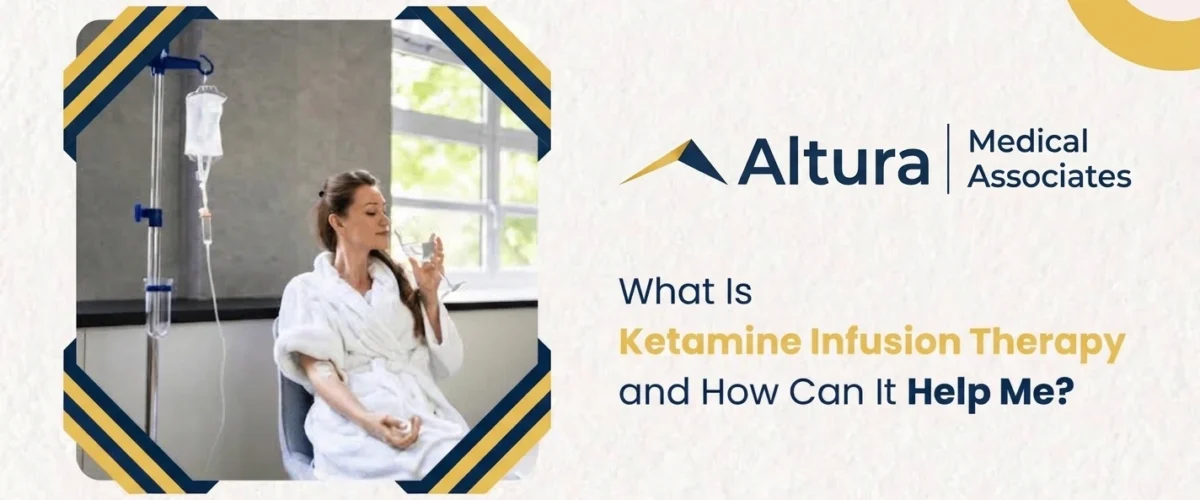
Ketamine is a versatile medicine that can be administered in a few different ways:

  • IV Infusions: Delivered slowly into the bloodstream for precise control.
  • IM Injections: A quick injection into the muscle, similar to a flu shot.
  • Sublingual (can be tablets, lozengers or liquid): The medicine is help in the mouth for 15 minutes to help absorption

Each session is designed to “reset” your brain, helping lift your mood and improve how you handle stress. Many patients notice improvements within hours or days of their first session.

How Ketamine Works

Traditional antidepressants mainly target chemicals like serotonin in the brain. Ketamine works differently: it helps your brain build new connections and improves its flexibility, a process called neuroplasticity.

By strengthening these connections, ketamine can:

  • Boost your mood quickly
  • Increase motivation and energy
  • Enhance clarity of thinking
  • Reduce feelings of hopelessness

For those with treatment-resistant depression or severe mood disorders, this can be life-changing.

The Treatment Process

At Altura Medical Associates, every step of treatment is safe, personal and closely monitored. Here’s what you can expect:

1. Initial Consultation

Our team will carefully review your medical history, mental health concerns and treatment goals. This helps us understand what will work best for you.

2. Personalized Treatment Plan

We create a plan just for you. This includes the correct dose, schedule and number of infusions needed for your unique situation.

3. Administering Your Treatment

Depending on your personalized plan, you will receive ketamine via a small IV, a quick IM injection, or sublingual . Regardless of the method, you will relax in a comfortable setting while our team monitors you closely.

4. Follow-Up and Monitoring

We check in after each session and make adjustments as needed to ensure effective and safe therapy.

Safety and Side Effects

Ketamine is generally safe and side effects are usually mild and temporary:

  • Feeling dreamy or slightly disconnected
  • Temporary increase in blood pressure or heart rate
  • Nausea

At Altura Medical Associates, all the sessions are closely monitored. In case of any side effects, we change treatment or stop therapy. Your safety is our priority.

Who Can Benefit from Ketamine Infusions?

Ketamine is for people with depression who don’t respond to other treatments. It may also help individuals with:

  • Major depressive disorder
  • Post traumatic stress disorder (PTSD)
  • Treatment Resistant Depression (TRD)
  • Obsessive compulsive disorder
  • Anxiety disorders
  • Bipolar disorder (sometimes used for the depressive phase of bipolar disorder)
  • Acute Suicidality
  • Substance use disorder

When you are stuck and all the conventional therapies have failed, ketamine therapy can be a possible solution. Altura Medical Associates will carefully evaluate your situation to determine if it’s right for you.

Personalized Approach at Altura Medical Associates

We have focused on a holistic and personalized approach at Altura Medical Associates. Every patient receives a treatment plan tailored to their condition and circumstances. It is not only to decrease depressive symptoms but to improve mental wellness in general.

Our expert clinical treatment, constant monitoring and counseling will lead to the ketamine treatment being practical and humane.

Patients are empowered to learn more about their treatment, monitor their progress, and apply their improvements even after completing their infusion courses.

Final Words

Fast hope can be provided to individuals with intractable or severe depression by ketamine infusion therapy. Unlike typical antidepressants, it works in a different way.

At Altura Medical Associates, we care about your safety and comfort. We focus on creating a personal plan for your mental health.

Contact us to learn more or set up an evaluation.

FAQs

Q. Is ketamine therapy painful?

No. Depending on your plan, it is administered via a small IV, a quick injection (similar to a flu shot), or a dissolvable tablet/liquid. You may feel “dreamy” or relaxed during the session, which is normal.

Q. is ketamine treatment safe?

When administer in a medical setting by trained professionals ketamine therapy has a strong safety profile. A staff member is always with the patient.

Q. How many sessions will I need?

Care strategies differ based on personal requirements. Commonly, individuals undergo a treatment of infusions lasting several weeks. Usually the induction phase is 6 initial treatments follow by maintenance which is discussed after the initial induction treatment

Q. Is ketamine IV/IM/sublingual therapy right for me?

Ketamine treatment is an option for individuals who have not found relief with traditional treatments. A thorough medical and psychiatric health evaluation helps determine whether this therapy is appropriate and safe for each patient.